Red Mountain Design Trends Shaping New Luxury Homes
July 16, 2026
July 16, 2026
If you are watching new homes take shape on Red Mountain, one thing becomes clear fast: the best design is not just about size or flash. In this part of Aspen, homes stand in a highly visible mountain setting, and that means every choice, from roofline to materials to landscaping, has to work with the land. If you are buying, building, or updating a property here, understanding today’s design direction can help you spot lasting value and avoid choices that feel out of place. Let’s dive in.
Red Mountain sits within Aspen’s mountain backdrop and falls inside the Aspen Urban Growth Boundary identified in the Aspen Area Community Plan. That setting helps explain why homes here are shaped by views, slope, and visibility in a way that feels especially specific to this location.
Depending on where a parcel sits, a project may go through review with the City of Aspen or Pitkin County. That matters because both jurisdictions regulate exterior work and site conditions, and Pitkin County notes that standards can cover land use, building size, setbacks, exterior lighting, tree removal, access, and earthmoving permits.
For you as a buyer or owner, this means design on Red Mountain is never just about personal taste. It is also about how a home responds to a view-sensitive landscape and a closely reviewed building environment.
The strongest new Red Mountain homes tend to follow a view-first approach. Large glazed areas, broad window walls, and strong indoor-outdoor sightlines help capture the mountain setting, but the most successful homes do more than frame scenery.
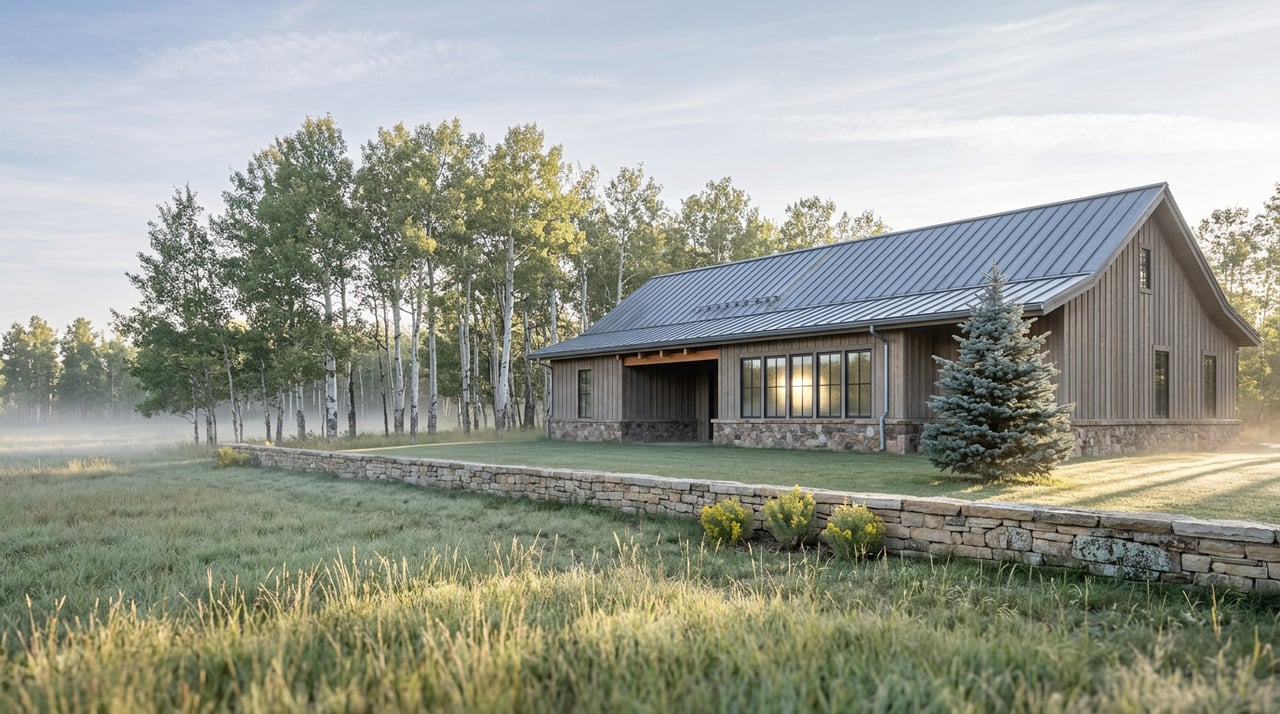
They also feel anchored to the site. Local design guidance in Pitkin County encourages new development to complement natural topography, use natural and low-reflectance materials, and avoid forms that break the skyline when seen from scenic corridors.
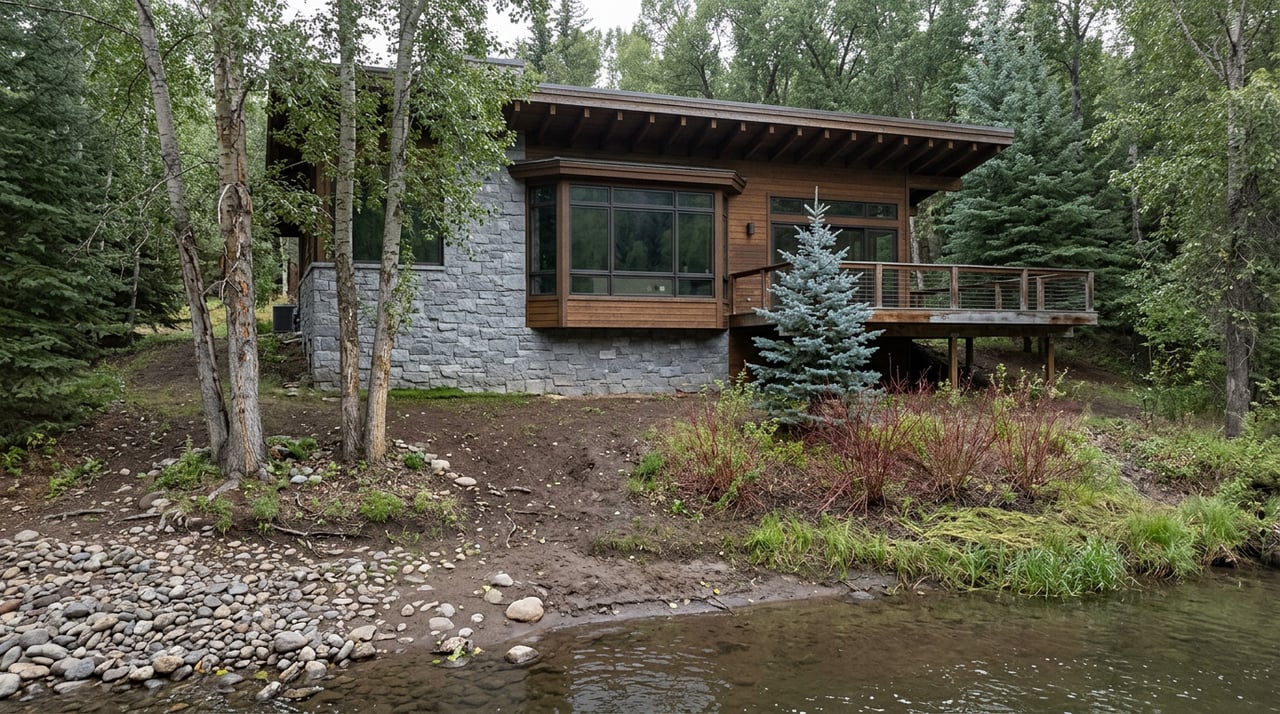
That creates a clear design lesson. On Red Mountain, a home usually feels more refined when it settles into the slope rather than appearing to sit on top of it.
Expansive glazing remains part of the visual language, and Aspen’s own design precedent at 120 Red Mountain Road reflects a Modern Chalet style with large glazed areas, deep eaves, and minimal decoration. Still, the homes that tend to resonate most are not all glass and sharp contrast.
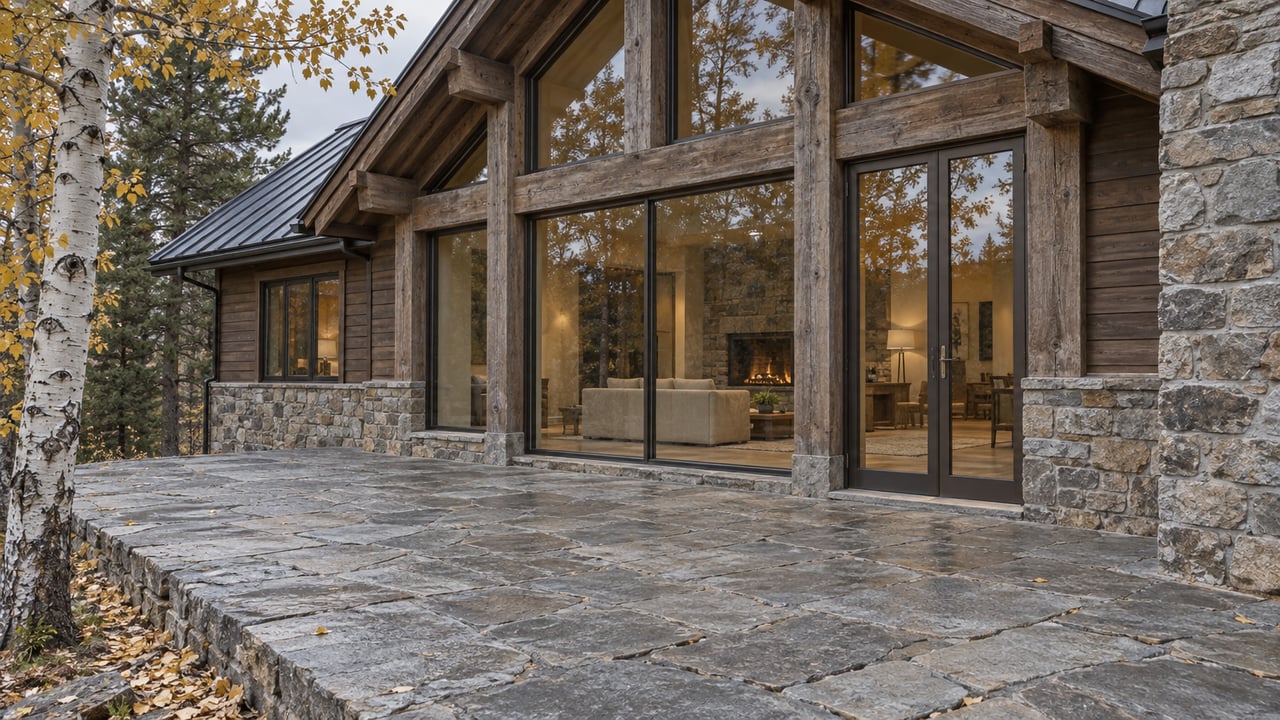
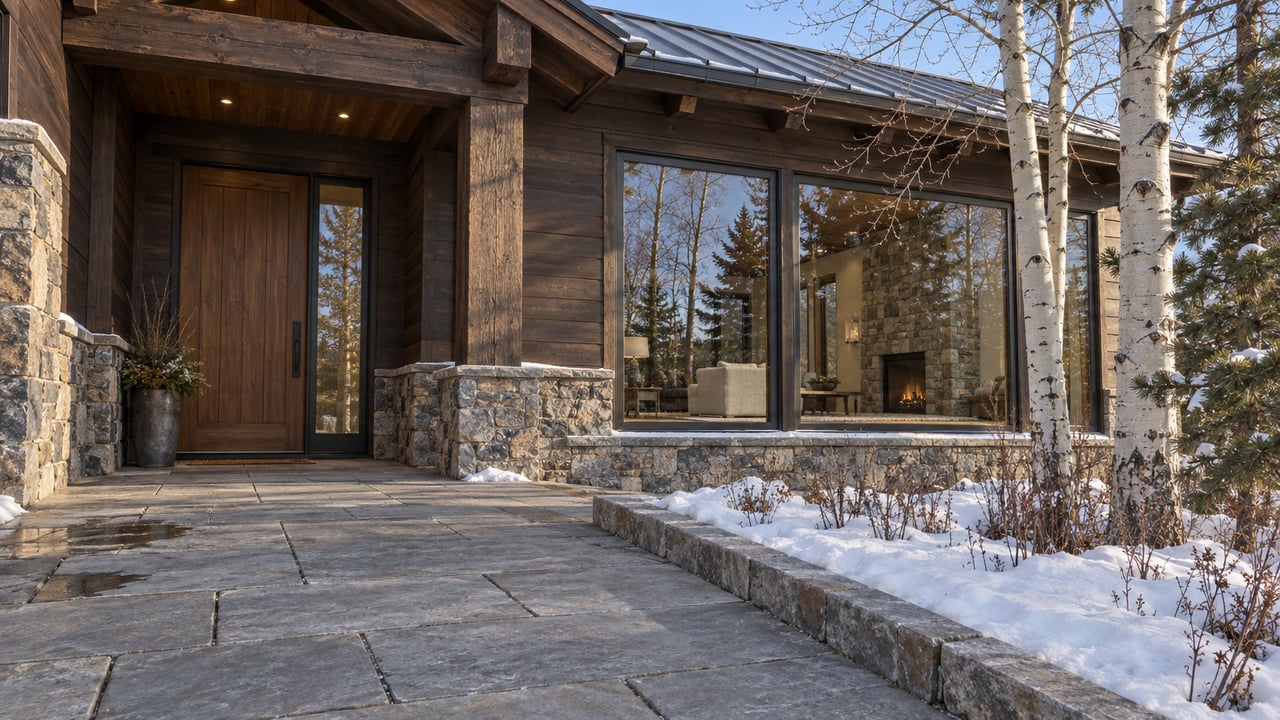
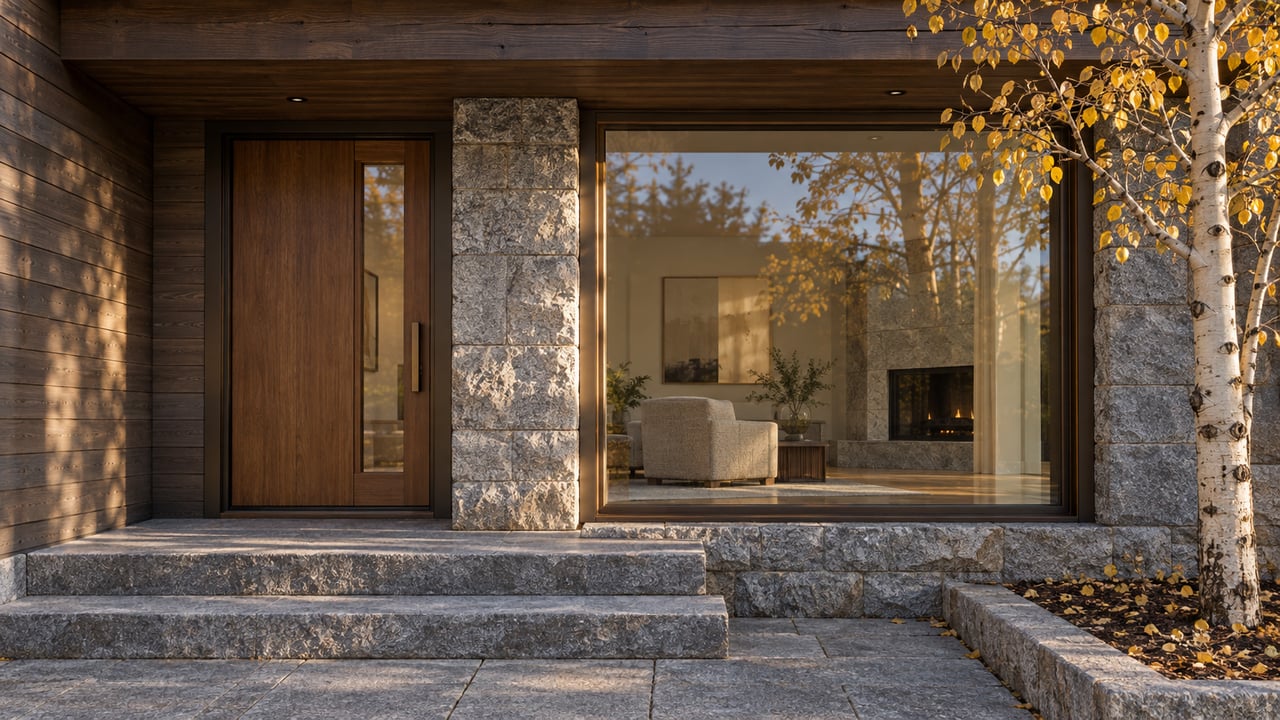
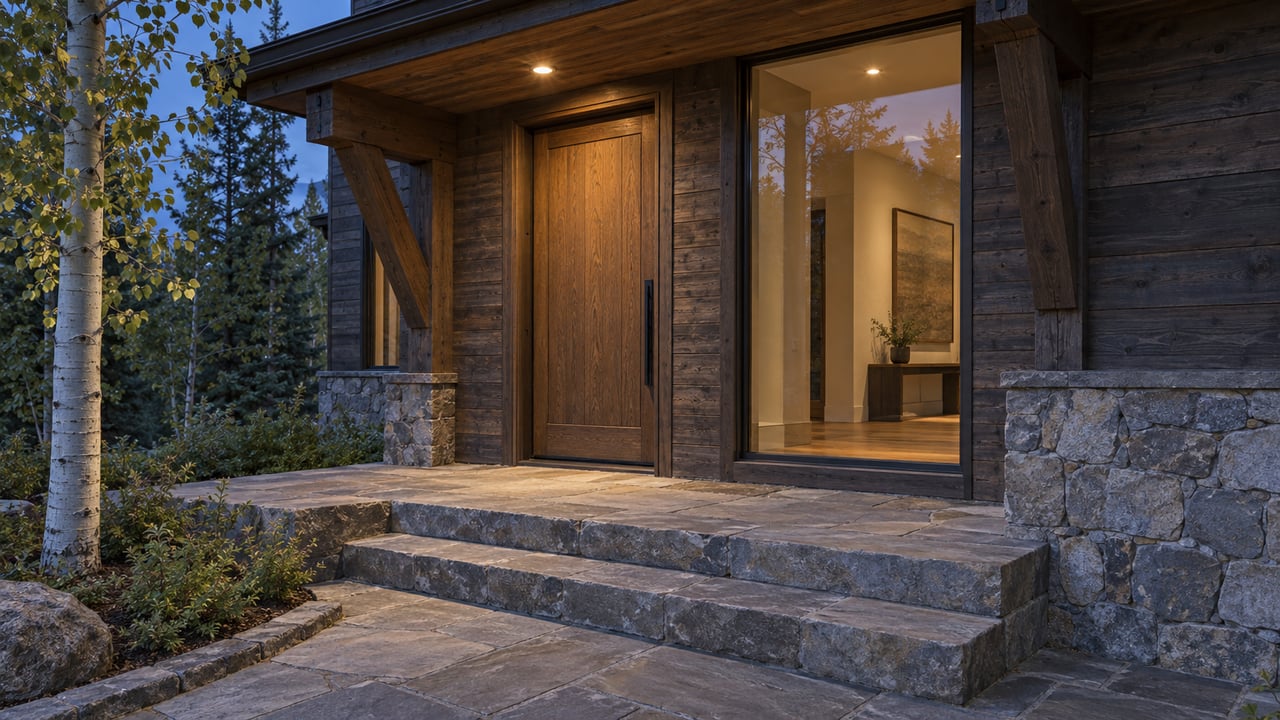
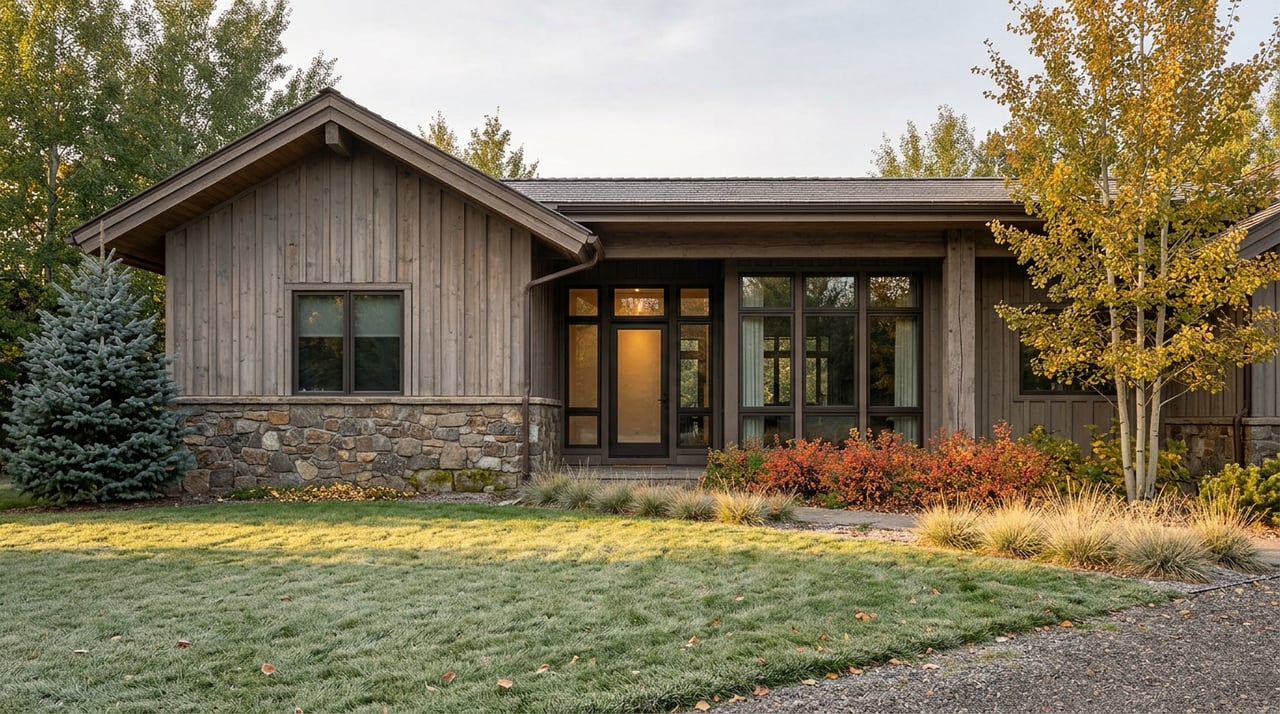
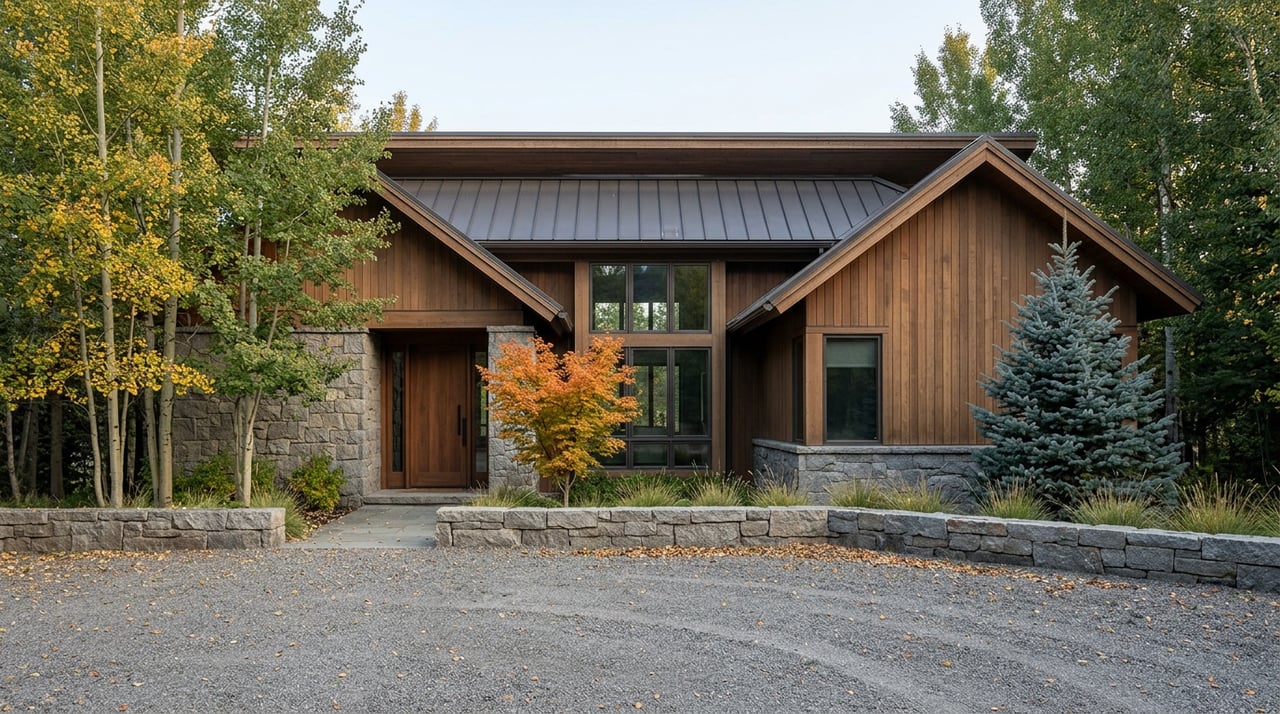
Instead, they balance transparency with solidity. Stone piers, wood cladding, recessed entries, and articulated rooflines help soften the overall mass and give the architecture a more grounded, mountain-appropriate feel.
One of the clearest design shifts today is the move toward warmth. In luxury markets, buyers are responding to homes that feel tactile, calm, and natural instead of overly polished or stark.
Research points in the same direction. Zillow found homes with soapstone countertops, white oak floors, and Venetian plaster walls selling for as much as 3.5% more than expected, while Houzz reported rising interest in warm color schemes, wood-rich spaces, white oak storage, and warm metal accents.
On Red Mountain, that translates well to the landscape. Snow, stone, evergreens, and open sky all pair naturally with finishes that feel soft and organic rather than glossy or cold.
If you are evaluating a new home or planning a renovation, look for materials that create depth without noise. Often, that includes:
These details can help a home feel current while still aging gracefully. That balance matters in a market where buyers often want a home to feel fresh now and relevant years from now.
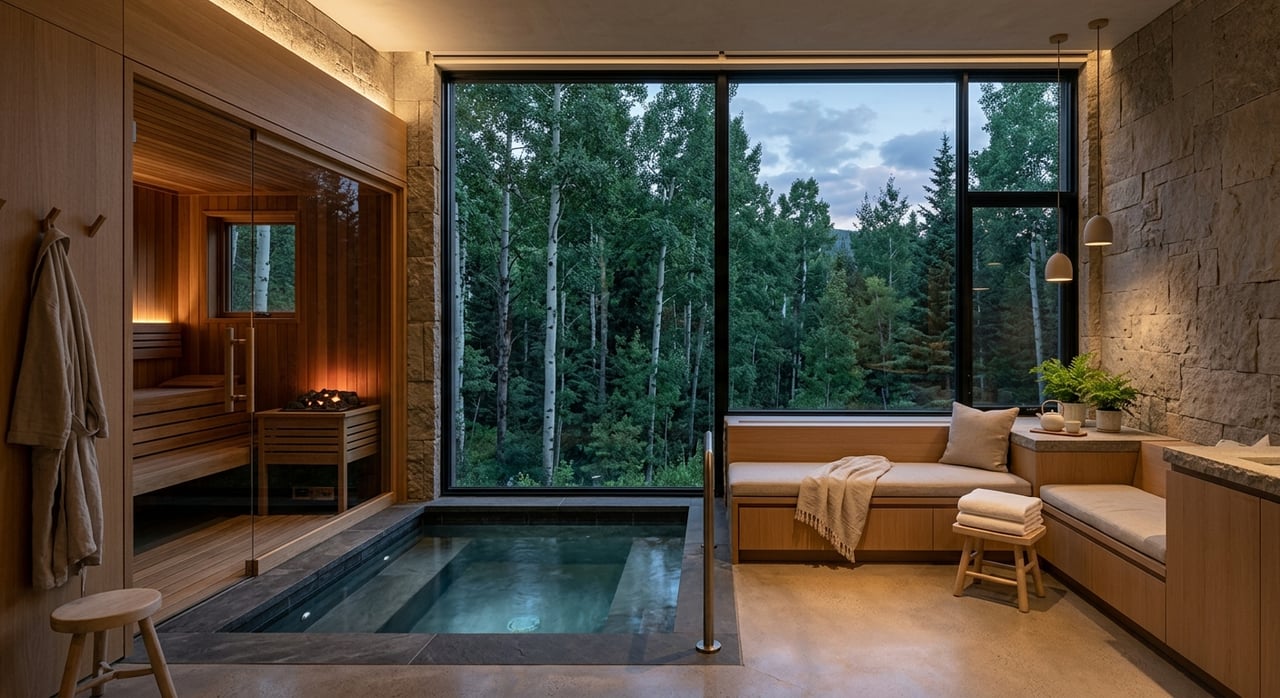
Luxury design is also becoming more wellness-focused, and on Red Mountain that goes beyond adding a gym or steam room. More often, wellness shows up in the layout, light, and overall feel of the home.
The NKBA reports that wellness kitchen design emphasizes natural light, quality lighting, connection to the outdoors, air and water quality, and social interaction. That is a useful framework because it reflects what many buyers want from a mountain home: comfort, calm, and easy daily living.
In practice, a wellness-forward home often feels bright but not harsh, open but not oversized, and flexible without becoming vague. It supports both gathering and retreat.
Bathrooms are evolving too. Zillow reported that wet rooms were appearing 19% more often in listings and that mentions of wellness features rose 16% year over year.
That trend fits Red Mountain well. Spa-like baths with easier maintenance, generous showers, and a quieter material palette align with the broader move toward understated luxury.
Large homes are also benefiting from more purpose-specific spaces. Rather than one endless open plan, buyers may respond better to one main social area paired with smaller rooms that have a clear role, such as:
This kind of planning tends to make a home feel more livable. It also gives the square footage a stronger sense of intention.
Outdoor living still carries major appeal on Red Mountain, but the trend is moving away from outdoor space that is oversized just for show. The more durable direction is useful, comfortable outdoor space that connects naturally to how you would actually live.
Zillow found that homes with outdoor showers, outdoor kitchens, and bluestone patios sold for more than expected. That suggests buyers continue to value exterior spaces that feel functional and experience-driven.
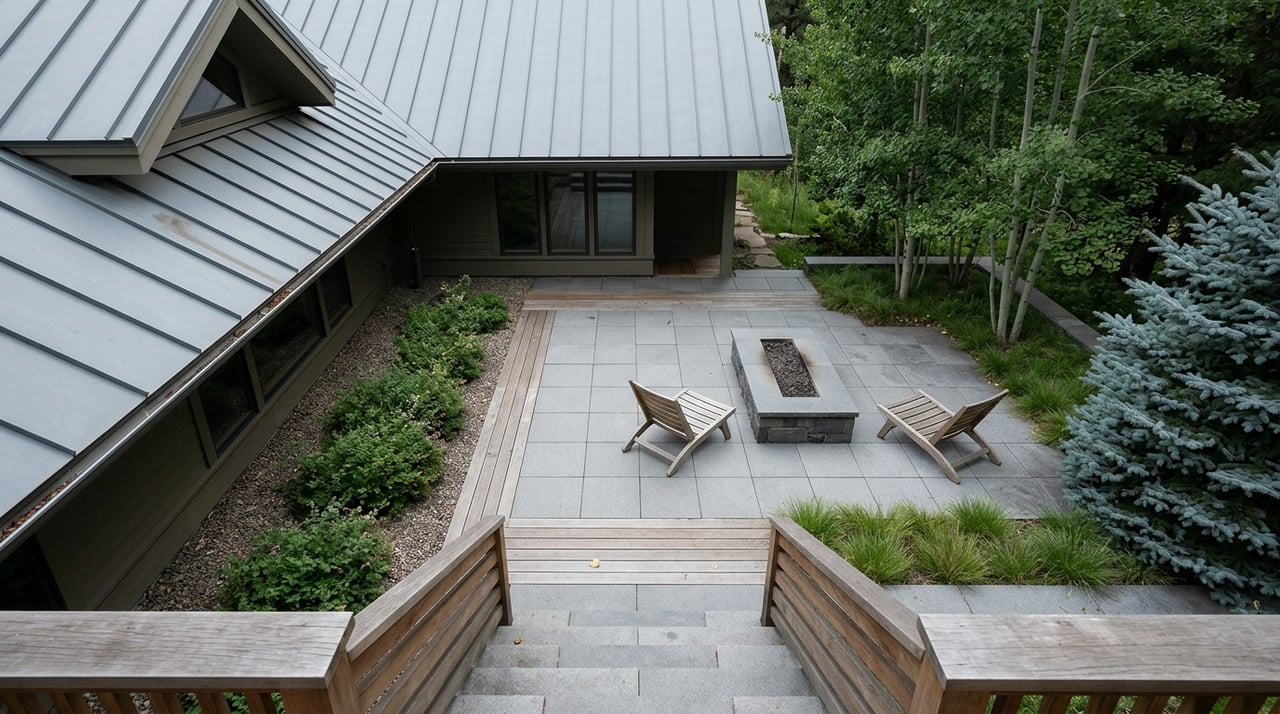
On Red Mountain, that often means terraces that work for dining, covered areas that offer protection from weather, and transitions that make the indoors and outdoors feel closely linked. The goal is not excess. The goal is ease.
Landscape design is changing too. Houzz reported growing interest in low-water landscapes, including succulent gardens and decomposed granite finishes, and that aligns with Aspen’s own water-conservation messaging.
The city notes that Aspen draws almost all of its water from Castle Creek and Maroon Creek, that water sources and storage are limited, and that xeriscape landscaping, water-saving plants, mulch, and efficient irrigation are encouraged.
For you, this means a well-designed landscape can be both attractive and practical. A restrained, water-wise approach often fits the mountain setting better than a landscape that feels overly manicured or resource-heavy.
In Red Mountain’s current building environment, resilience is no longer a background issue. It is part of the design brief from the start.
Aspen adopted the 2024 Colorado Wildfire Resiliency Code with local amendments effective April 23, 2026, and Pitkin County’s updated wildfire resiliency code took effect May 2, 2026. Those changes affect how new homes and exterior upgrades are planned.
Pitkin County’s current code requires Class A roofs, noncombustible or ignition-resistant walls and projections, tempered or rated exterior glazing, and noncombustible materials within 0 to 5 feet of a structure. Aspen’s wildfire guidance also emphasizes defensible space, ongoing maintenance, and fire-resistant planting and hardscape strategies near structures.
The good news is that resilient design does not have to feel compromised. In fact, some of the most compelling outdoor spaces are the ones that feel both beautiful and defensible.
That can include:
When these features are integrated well, they can strengthen both the look and long-term practicality of a property.
If you are shopping for a new Red Mountain home or planning to improve one, a few themes stand out.
First, pay attention to siting. The most successful homes usually orient views well while still feeling embedded in the slope. Second, notice the finish palette. Warm, natural, lower-sheen materials are aligning more closely with both buyer taste and the mountain setting.
Third, think beyond amenities and focus on livability. Natural light, spa-like baths, and rooms with a clear purpose may add more day-to-day value than a home that simply checks every luxury box. Finally, verify jurisdiction early, because review paths and exterior standards can differ depending on whether a parcel falls under Aspen or Pitkin County.
Design trends come and go, but Red Mountain tends to reward homes that respect the setting. That usually means architecture that supports the view without overpowering it, materials that feel grounded, and outdoor spaces that work with local water and wildfire realities.
For buyers, these details can help you identify homes with lasting appeal. For owners and sellers, they can guide smart updates that feel market-aware without chasing short-term fads.
In a place as visible and design-conscious as Red Mountain, good taste matters. But fit matters even more.
If you are weighing a purchase, renovation, or future sale on Red Mountain, The Shea Team can help you evaluate how design, setting, and market positioning come together in this highly specific Aspen niche.
Stay up to date on the latest real estate trends.
We are committed to guiding you every step of the way—whether you're buying a home, selling a property, or securing a mortgage. Whatever your needs, we've got you covered.

415 EAST HYMAN AVE ASPEN, CO 81611