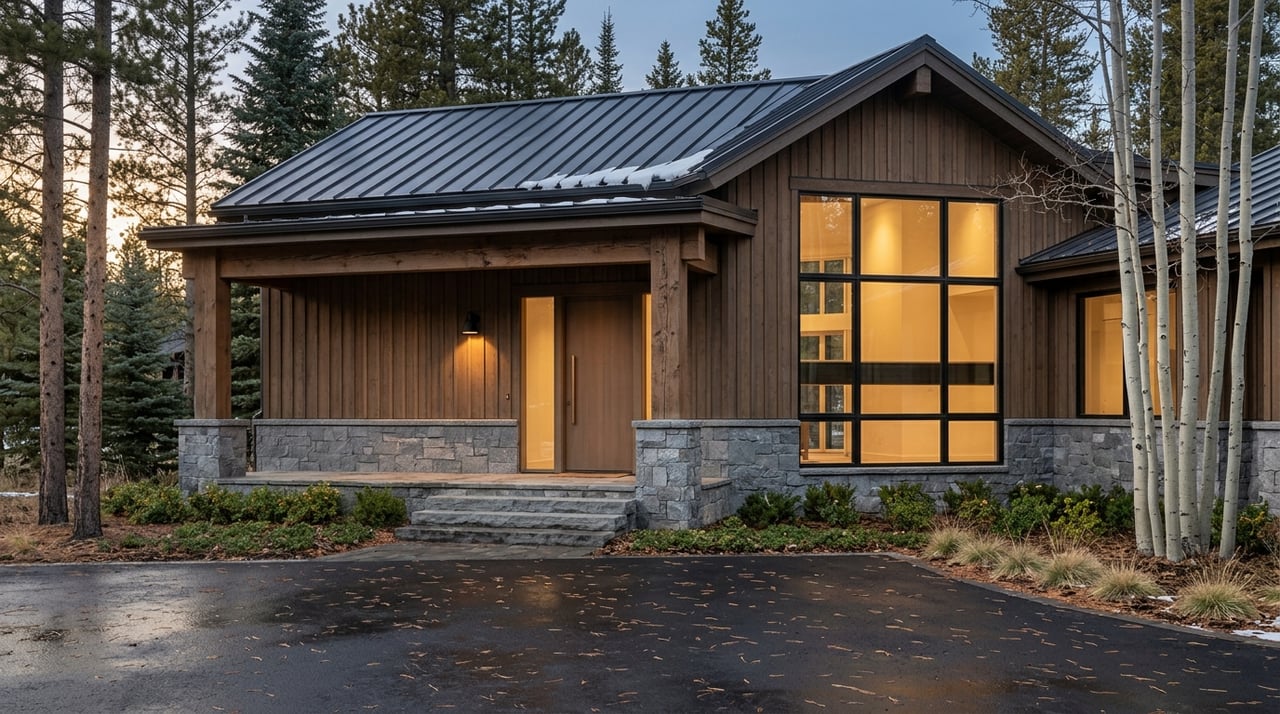
How West Aspen’s Micro Neighborhoods Compare
June 11, 2026
June 11, 2026
Trying to compare West Aspen in one sentence is where most buyers get stuck. What looks like one area on a map is actually a group of very different micro-neighborhoods, each with its own rhythm, access points, and housing feel. If you are weighing privacy, ski access, proximity to town, or a more rural setting, a pocket-by-pocket view can help you narrow the field with more confidence. Let’s dive in.
West Aspen is best understood as a cluster of overlapping micro-markets tied together by Maroon Creek Road, Castle Creek Road, Aspen Highlands, and the school-campus edge. Pitkin County planning documents describe these lower valleys as residential communities that also serve as gateways to recreation.
That matters because your day-to-day experience can change a lot from one pocket to the next. Some areas feel closely connected to town services and shuttle routes, while others lean more rural, low-density, and trail-oriented.
Access is the common thread. The City of Aspen’s free shuttle serves both the Cemetery Lane residential area and Aspen Highlands Village, and the Maroon Creek Multi-Use Trail opened in October 2024 for cyclists and pedestrians. During peak season, Maroon Bells access from Maroon Creek Road is managed by reservation and shuttle service from mid-May through mid-November, from 8 a.m. to 5 p.m.
Meadowood stands out for balancing convenience with a meadow setting. According to the HOA, it is close to Aspen’s three schools, Aspen Valley Hospital, and downtown, while still offering a more rural feel through its 36-acre meadow, pond, tennis courts, and cross-country ski trails.
If you want a West Aspen setting that feels practical without feeling dense, Meadowood often fits that conversation well. It reads more like a low-density residential enclave than a resort village or condo-heavy area.
The defining feature here is the blend of access and open space. Official neighborhood materials also point to Nordic access across the meadow, which gives the area a daily outdoor-living appeal without pushing you far from core Aspen services.
Aspen Highlands is the most ski-centric pocket in West Aspen. Aspen Chamber materials describe it as a local favorite known for sweeping Maroon Bells views, the Highland Bowl, and a mountain identity that carries through in both winter access and year-round recreation.
From a residential standpoint, Aspen Highlands feels more like a resort node than a conventional neighborhood. County TDR records identify Aspen Highlands Village and Base Village with development rights for new lots, and nearby inventory includes ski-in/ski-out condominium product.
That mix shapes the lifestyle here. You have direct ties to the mountain, shuttle service to Aspen Highlands Village, and peak-season Maroon Bells bus access originating from Aspen Highlands, which reinforces the area’s role as both a residential pocket and recreation hub.
If Aspen Highlands is the resort-facing option, Five Trees is the more estate-like alternative nearby. Pitkin County notes that Moore/Five Trees was annexed into Aspen, and reporting on the Five Trees metro district describes a small subdivision near the base of Aspen Highlands with a private chairlift.
The practical takeaway is clear. Five Trees is a small, privacy-oriented single-family enclave with ski access and close proximity to the school-campus edge.
For buyers comparing West Aspen options, Five Trees is often the best answer when you want Highlands access without the resort-village feel. It offers a more private residential experience than the condo-oriented base area while still staying connected to one of Aspen’s strongest ski locations.
Cemetery Lane is the most mixed-use-feeling residential corridor in this group. It is served directly by the city shuttle, and it also connects meaningfully to local infrastructure, including current county bridge work on the county portion of Cemetery Lane and Slaughterhouse Bridge.
The area also benefits from trail and park access. The Rio Grande Trail management plan identifies the Cemetery Lane bridge as the closest west-side alternative connection to the trail, and Bugsy Barnard Park sits nearby off Cemetery Lane.
What makes Cemetery Lane different is housing variety. Market snapshots show a blend of houses, townhouses, condos, and some multi-family inventory, so this pocket tends to appeal to buyers who value access and flexibility over a single, uniform neighborhood profile.
The Maroon Creek corridor is the quietest and most rural end of West Aspen. Pitkin County’s master plan states that above the Highlands ski area, development is mainly single-family residences on parcels ranging from two to twelve acres, with many in the five- to six-acre range.
The same planning materials note that much of the remaining valley is federally owned public land, with access to the Maroon Bells recreation area and the East and West Maroon Creek trailheads. That creates a setting that feels more acreage-driven and wilderness-facing than the pockets closer to town.
This is an important distinction for buyers. Maroon Creek is not a resort-village environment. It is a low-density corridor where privacy, larger parcels, and adjacency to public lands shape the experience more than village amenities or compact residential patterns.
When you step back, each West Aspen pocket answers a different buyer priority. The smartest comparison is not which one is “best,” but which one best matches how you want to live in Aspen.
Aspen Highlands and Five Trees are the strongest ski-oriented choices. Aspen Highlands is the true mountain and resort node, while Five Trees offers ski access from a more private, single-family setting.
Meadowood stands out for proximity to schools, the hospital, and downtown, while still maintaining a strong open-space feel. Five Trees is also well positioned near the school-campus edge.
Cemetery Lane offers the broadest mix of housing types in this group. If you want options across different residential formats while staying connected to shuttle and trail infrastructure, it is one of the most practical pockets to explore.
The Maroon Creek corridor is the clearest fit for buyers seeking acreage, a quieter setting, and a stronger connection to surrounding public land. It feels more rural and less village-oriented than other parts of West Aspen.
Aspen Highlands is the strongest match if you want the atmosphere of a ski-base area. Around the base and village area, the condo-style product and shuttle access support a more resort-centered lifestyle.
In West Aspen, convenience often depends on season and route, not just distance. That is especially true along the Maroon Bells corridor, where peak-season access is managed through reservations and shuttle service rather than easy, all-day driving.
This is one reason local neighborhood guidance matters. Two properties may both be labeled “West Aspen,” but one may feel closely linked to shuttle routes and daily services, while another may function more like a private mountain retreat with a very different access pattern.
If your top priority is skiing, start with Aspen Highlands and Five Trees. If you want a practical home base near town services with a softer, open-space setting, Meadowood deserves a close look.
If flexibility matters most, Cemetery Lane offers a more varied residential mix and direct connections to transit and trails. If you are drawn to larger parcels, a quieter setting, and a stronger wilderness feel, the Maroon Creek corridor may be the better fit.
West Aspen is not one simple neighborhood, and that is exactly what makes it compelling. With the right guidance, you can focus less on broad labels and more on the specific micro-neighborhood that aligns with your lifestyle, priorities, and long-term plans.
If you want help comparing these pockets in real time, The Shea Team can help you evaluate the tradeoffs, identify the right fit, and navigate Aspen with a more local lens.
Stay up to date on the latest real estate trends.
We are committed to guiding you every step of the way—whether you're buying a home, selling a property, or securing a mortgage. Whatever your needs, we've got you covered.

415 EAST HYMAN AVE ASPEN, CO 81611