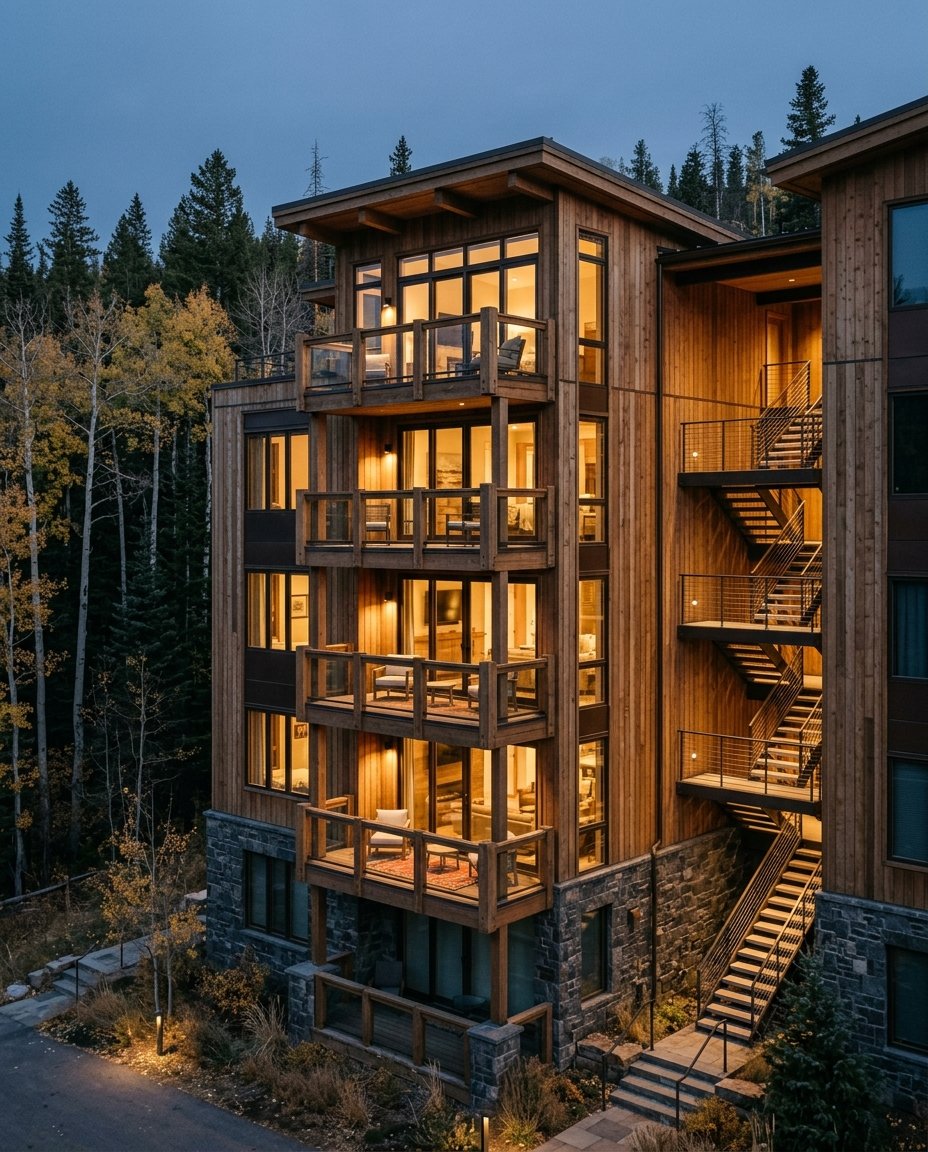
Snowmass Village Investment Property: Condo or Home
May 28, 2026
May 28, 2026
Wondering whether a Snowmass Village condo or a single-family home makes the better investment? It is a smart question, especially in a market where price points, rental logistics, and ownership costs can look very different depending on the property type. If you are weighing lifestyle value alongside performance, this guide will help you compare the tradeoffs that matter most in Snowmass Village. Let’s dive in.
Snowmass Village sits in Pitkin County, where tourism is a major part of the local economy. Aspen and Snowmass draw visitors year-round for recreation, arts, culture, and events, which makes investment decisions here closely tied to guest demand and seasonal use patterns.
That local backdrop matters because condos and homes serve different kinds of owners and renters. In general, condos often appeal to buyers who want easier access to lifts, restaurants, and village activity, while single-family homes may better suit buyers who value privacy, space, and longer-hold flexibility.
One of the clearest differences is the cost to get in. In the Snowmass Village market update for December 2025, the median sales price was $8,125,000 for single-family homes and $2,000,000 for townhouse and condo properties.
On a simple price basis, that means the single-family median was about 4.1 times the condo and townhome median. For many investors, that lower condo entry point can make it easier to preserve liquidity for furnishings, reserves, taxes, improvements, and operating costs.
The same report showed 110 days on market and 6.5 months of supply for single-family homes, compared with 132 days on market and 12.9 months of supply for townhouse and condo inventory. It is also worth noting that the local report cautions that short-term changes can be volatile because sample sizes are small.
If your goal is a more efficient entry into the Snowmass Village investment market, a condo or townhome often stands out first. The lower median purchase price can reduce the amount of capital you need upfront, and many condo properties are positioned close to the lifts, Base Village, shops, dining, and activity hubs.
That convenience can matter in a tourism-driven market. Aspen Snowmass materials consistently highlight ski-in/ski-out lodging and proximity to Base Village amenities, and it is reasonable to infer that walkability and lift access can support rental demand and repeat stays.
Condos can also offer a more streamlined ownership experience. Shared maintenance of common areas may reduce the amount of day-to-day property oversight that falls directly on you, which can be appealing if you are buying a seasonal rental or second home investment.
Convenience does not mean lower total carrying costs. Condo and townhome ownership usually comes with HOA dues, and those dues are typically paid separately from your mortgage payment.
HOA dues can range from a few hundred dollars per month to more than $1,000 per month. Beyond regular dues, HOAs may also require reserve funding and can levy special assessments, so your true monthly and annual cost picture needs to go beyond the purchase price alone.
Before you buy a condo, the health of the HOA matters. HOA financial instability, deferred maintenance, and inadequate insurance are all important risks in condo ownership and lending.
That means a well-located unit is not automatically a strong investment if the project itself has weak reserves or unresolved building issues. In Snowmass Village, that review can be just as important as evaluating the unit’s views, finishes, or rental appeal.
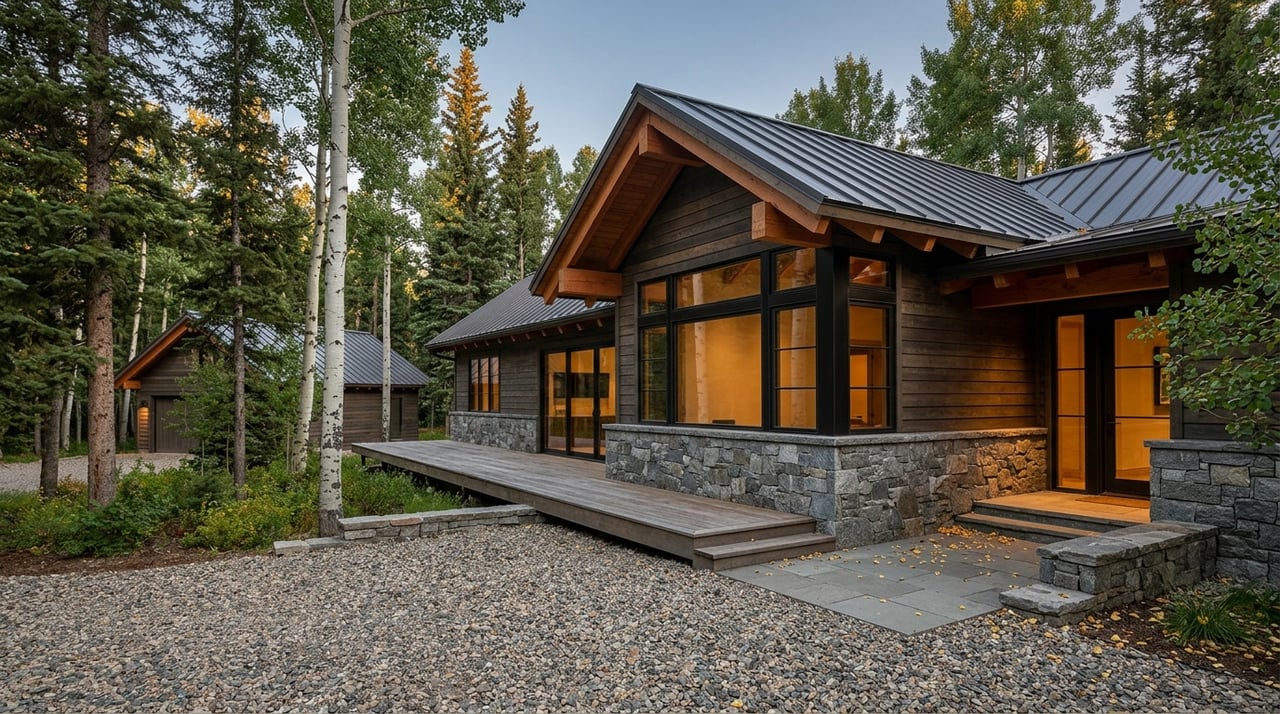
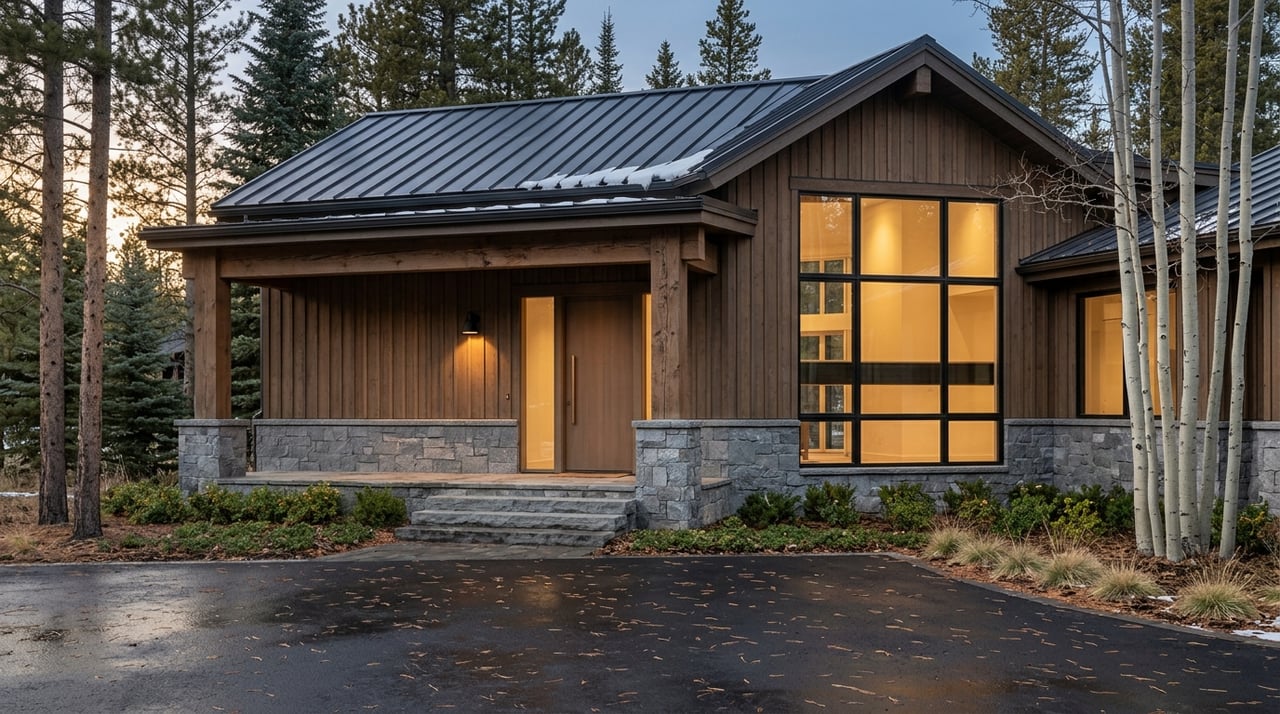
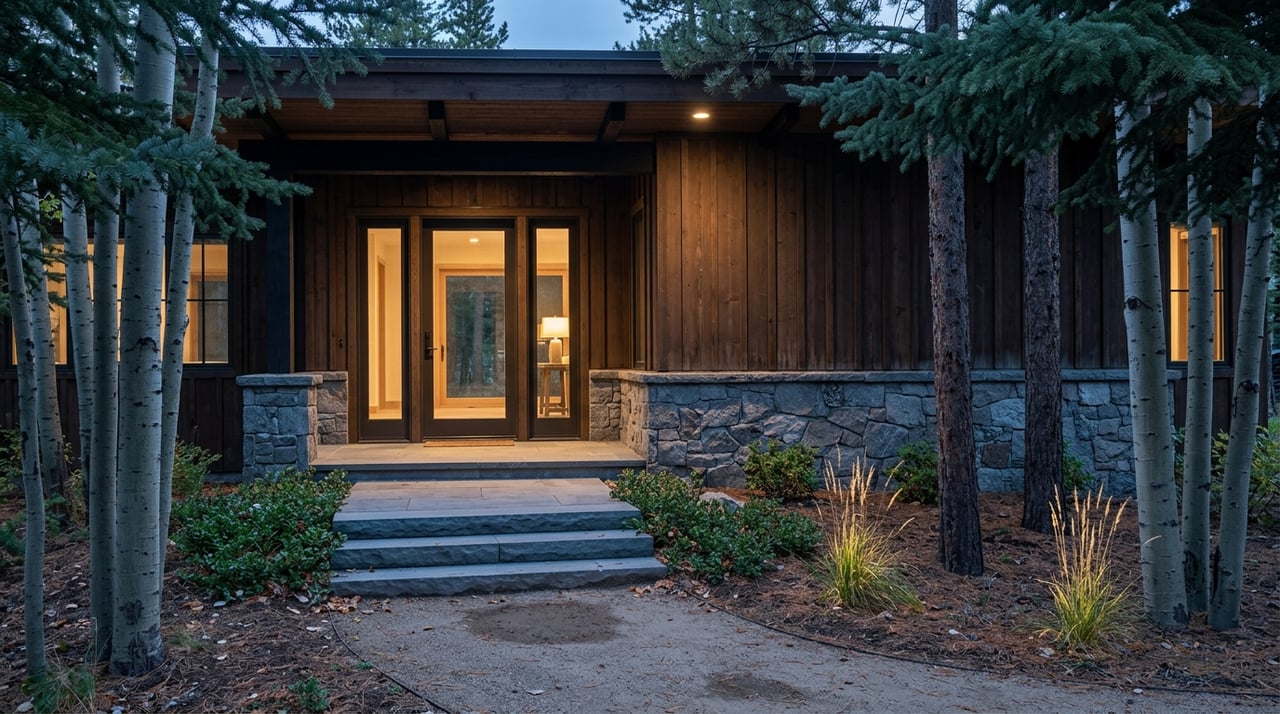
A single-family home can be a strong choice if you want more direct control over the asset. In many cases, homes offer more privacy, larger living spaces, and fewer shared building elements than a condo.
That can be attractive if you are thinking long term and want flexibility in how the property is positioned, furnished, improved, or enjoyed over time. Larger homes may also appeal to bigger travel groups or guests staying for longer periods.
The tradeoff is operational. With a home, you typically carry more direct responsibility for repairs, landscaping, snow management, and turnover coordination, even though some homes may still be within an HOA.
The biggest hurdle is usually capital. With a median single-family price above $8 million in the December 2025 update, the upfront commitment is far greater than what most condo buyers face.
You also need to be realistic about ongoing expenses. A larger footprint often means more maintenance exposure, more systems to service, and more room for operating costs to rise over time.
In Snowmass Village, location is not just about scenery. It can directly influence convenience, guest appeal, and the day-to-day usability of the property.
Official resort materials consistently emphasize Snowmass Base Village, ski-in/ski-out access, and proximity to slopes, restaurants, shops, and activities. The Lost Forest adventure area is accessed from Base Village via the Elk Camp gondola, and retail clusters are concentrated near the slopes on the Snowmass Mall and in Base Village.
For that reason, condos and townhomes near the lifts may hold a convenience advantage for short-term rental guests. If a visitor can walk to skiing, dining, and summer activities, that ease of use can be a meaningful part of the property’s value.
Single-family homes can still perform well, especially when they offer strong privacy, group-friendly layouts, or a more residential feel. Still, the convenience premium is usually strongest where guests can easily access lifts and village amenities.
If you plan to rent the property for fewer than 30 consecutive days, Snowmass Village requires both a business license and a short-term rental permit. The town has separate permit types for hotels, multi-family properties, and single-family homes or duplexes.
The current fees are $85 for the business license and $400 for the STR permit. Permits expire annually on April 30, and a change in ownership requires a new STR permit.
The application also asks for details such as a designated local owner representative, parking information, and HOA information where applicable. Owners must use the town’s MUNIRevs portal.
Snowmass Village also imposes local transaction-related costs that should be built into your underwriting. The town lists a 10.65% sales tax and a 13.05% lodging tax, and sales and lodging taxes must be remitted by the 20th of each month.
At purchase, buyers should also account for the town’s 1% real estate transfer tax, which is due at transfer and paid by the purchaser. These costs affect both condos and homes, so they should be part of your cash-flow planning from day one.
It is important not to rely on broad averages when estimating property taxes. Property tax modeling should use parcel-specific data.
For tax year 2025, Colorado’s residential assessment rate for local governments is 6.25%. Pitkin County’s assessor provides an example using a total mill levy of 87.710, and the general formula is actual value multiplied by the assessment rate multiplied by the mill levy.
Because purchase prices and assessed values can vary widely in Snowmass Village, parcel-level review is the safest way to compare a condo with a single-family home.
Whether you lean toward a condo or a home, the right questions can save you from expensive surprises. A careful review of town rules, HOA documents, and operating assumptions is essential.
Here are some of the most useful questions to ask before you move forward:
For many buyers, a condo or townhome is the more efficient starting point in Snowmass Village. The lower median price creates a much lower capital hurdle, and the strongest convenience story often sits near Base Village and the lifts, where guest demand may be easier to support.
A single-family home may be the better fit if your priority is privacy, larger living spaces, and more direct control over the asset. That path can make sense for a long-hold strategy, but it usually requires far more capital and a more substantial operating budget.
The better investment is the one that matches your goals, your expected hold period, and your tolerance for operational complexity. In Snowmass Village, the smartest decision usually comes from pairing local market knowledge with careful property-level analysis.
If you are comparing a rental-ready condo against a single-family opportunity in Snowmass Village, The Shea Team can help you evaluate pricing, property fit, and the practical details that shape long-term performance.
Stay up to date on the latest real estate trends.
We are committed to guiding you every step of the way—whether you're buying a home, selling a property, or securing a mortgage. Whatever your needs, we've got you covered.

415 EAST HYMAN AVE ASPEN, CO 81611