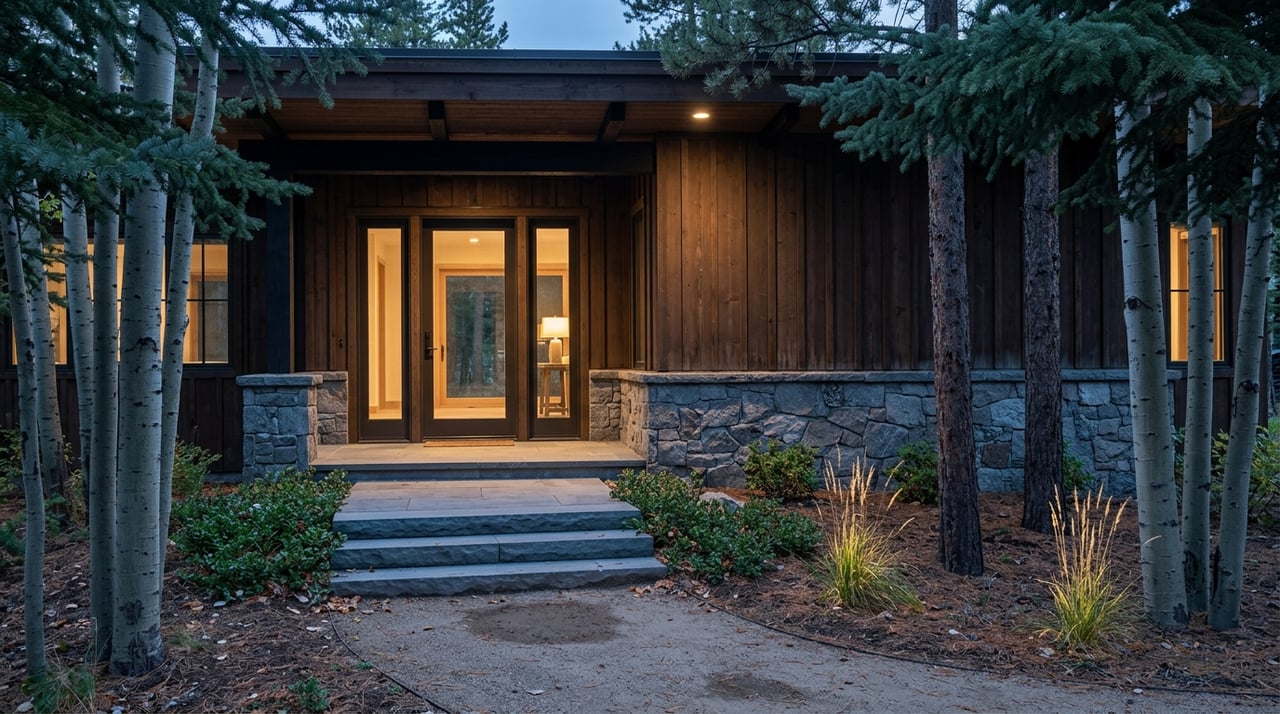
Castle Creek Aspen Real Estate for a Private Retreat
May 21, 2026
May 21, 2026
Dreaming of an Aspen retreat that feels worlds away from town, yet stays closely connected to it? Castle Creek Valley offers that rare balance: a scenic, low-density mountain corridor with open meadows, historic character, and direct access to some of the area’s best outdoor recreation. If you are considering a home here, it helps to understand not just the beauty, but the practical realities that shape ownership. Let’s dive in.
Castle Creek Valley runs southwest from Aspen’s roundabout toward Ashcroft Ghost Town, creating a setting that feels notably more rural than Aspen’s in-town neighborhoods. County planning documents describe the corridor as open landscape with irrigated pastures, meadows, mountain views, and remnants of historic buildings.
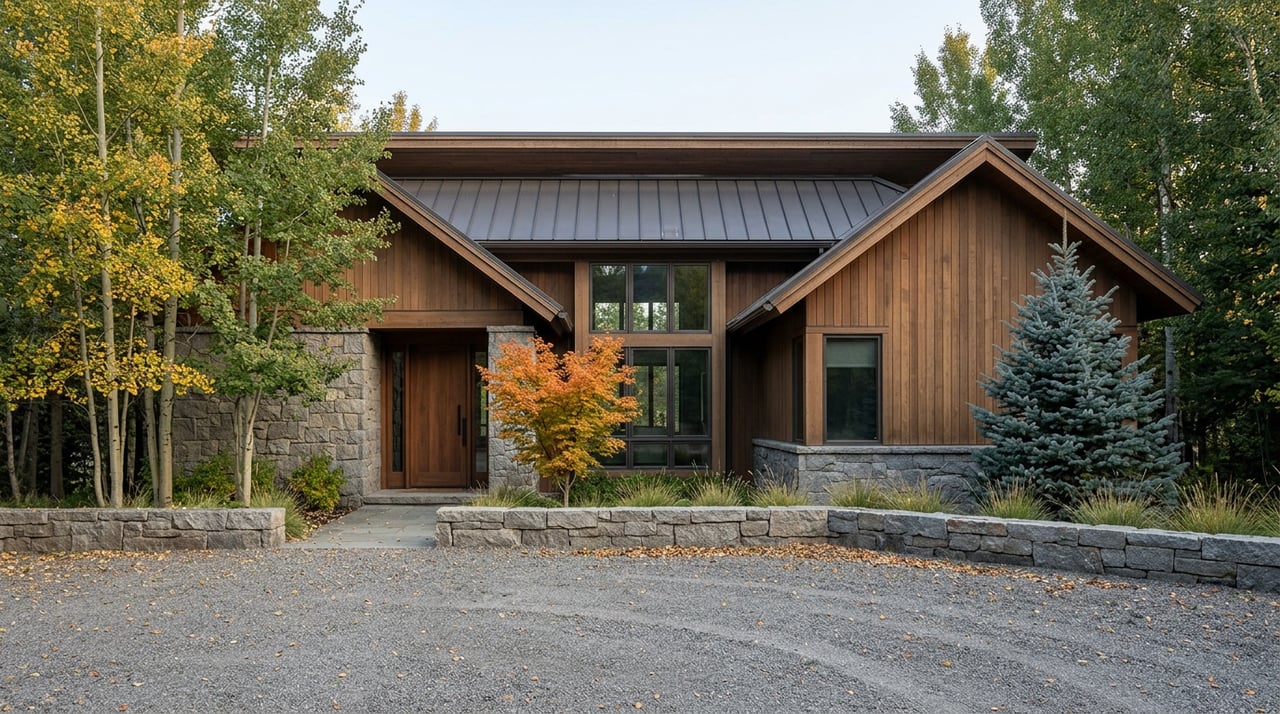
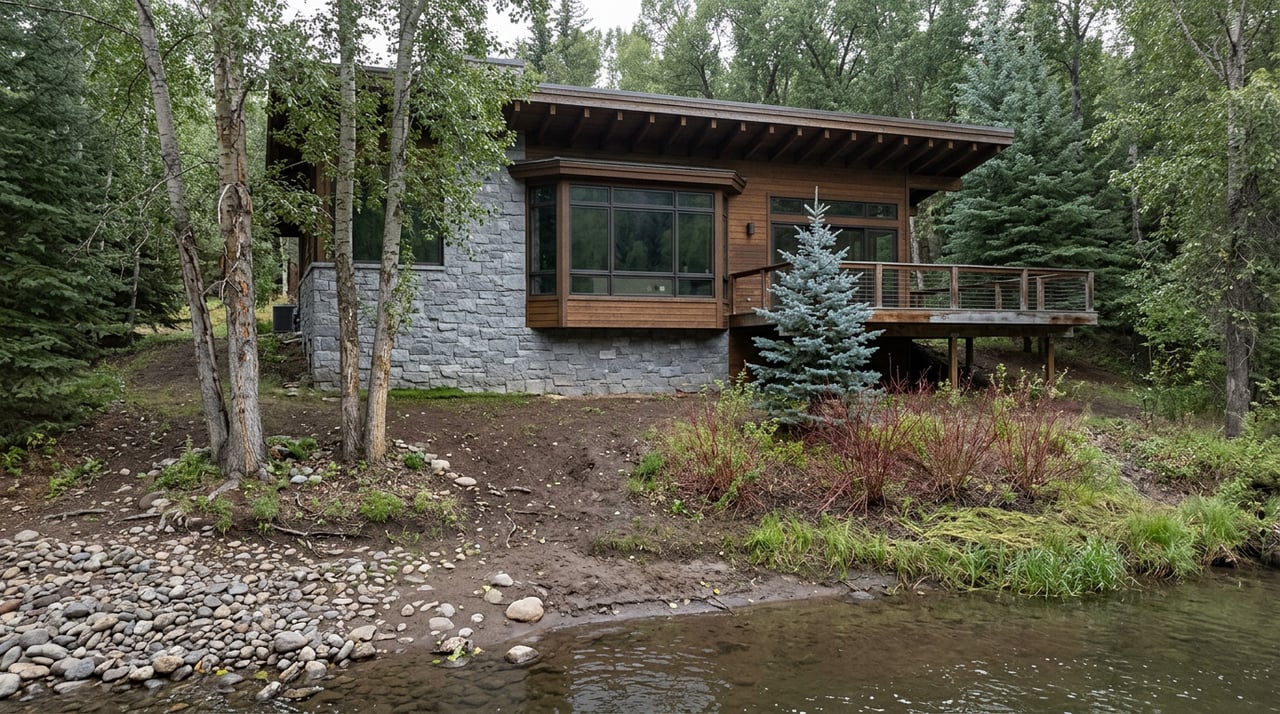
That landscape is a big part of the appeal. You get a sense of space, scenery, and privacy that many buyers want in a mountain retreat, while still being only a short drive from Aspen. It is a setting that feels calm, preserved, and closely tied to the land.
The valley also carries functional importance. Pitkin County notes that Castle Creek is one of the sources for Aspen’s water supply and for Aspen Skiing Company snowmaking, which adds to the corridor’s broader significance in the local environment.
One of the first questions buyers ask is how far up valley Castle Creek really feels. Ashcroft Ghost Town is about 11 miles from Aspen’s roundabout, and Pine Creek Cookhouse sits 12.5 miles up Castle Creek Road at the end of the main corridor.
That distance creates a true retreat atmosphere without pushing you far from town. In day-to-day terms, you can enjoy a more secluded setting while keeping Aspen’s dining, shopping, and services within easy reach.
Still, access here is different from living in Aspen’s core. Pitkin County identifies Castle Creek Road as a shared roadway for bicycles and vehicles, and the road’s upper sections are shaped by seasonal management and rural road conditions.
If you are looking at property in Castle Creek, winter access should be part of your early due diligence. County winter-maintenance information says Castle Creek Road at Ashcroft is typically gated around November 15 and reopened around May 15.
Pitkin County also states there is no winter maintenance above the 10.8-mile mark on Castle Creek Road. In addition, county documents say properties in the Rural/Remote zone district have no winter automobile access.
For some buyers, that seasonality is part of the charm. For others, it is a major lifestyle and logistics consideration, especially if you plan to use the property frequently in winter.
The corridor includes multiple unpaved spur roads branching off Castle Creek Road. County planning documents say Pitkin County tries to retain unpaved roads where practical as part of the area’s rural character.
This means your ownership experience may include a mix of paved main-road access and rougher secondary roads, depending on the property. That can affect everything from vehicle choice to contractor access to how you think about year-round use.
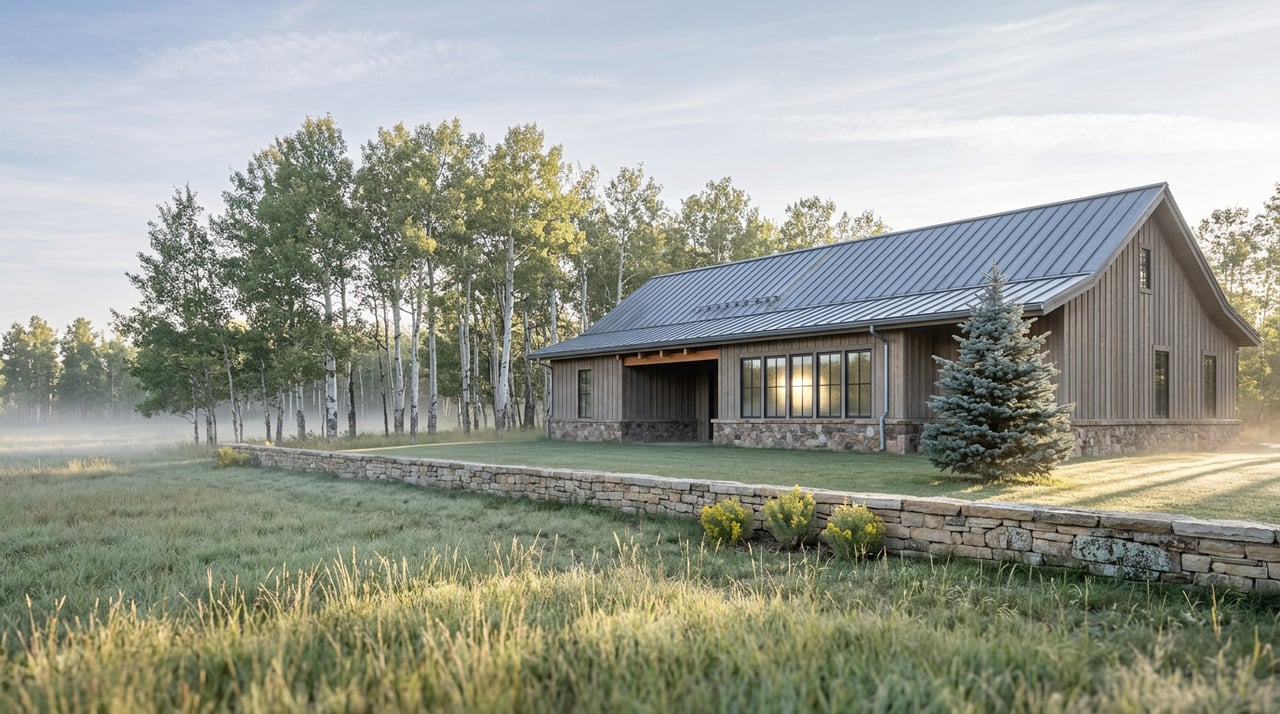
Castle Creek Valley is not defined by dense development. Instead, the real estate pattern reflects large lots, lower density, and a strong emphasis on preserving the valley’s rural visual character.
Pitkin County’s land-use code says the AR-10 district is intended for small-scale agriculture and large-lot residential development that preserves rural character. The code also says homes should be clustered at valley edges or wooded areas to minimize visual disruption.
For you as a buyer, that planning framework helps explain why the valley feels visually open and why many homes are tucked into the landscape rather than prominently placed. It is part of what gives Castle Creek its understated, retreat-like identity.
Another factor that supports the valley’s character is the limited amount of future development. Pitkin County’s Castle Creek planning analysis says the area is roughly 56% built out, and the lower subdivision area is largely built on.
The same analysis notes that much of the remaining growth potential is constrained by slope, access, floodplain, and riparian zones. In simple terms, Castle Creek is not a corridor where widespread new development is likely to reshape the setting quickly.
That can be meaningful if you value stability in the landscape and a lower-density ownership experience. It also means that available properties may be relatively limited compared with more built-up parts of the Aspen market.
A Castle Creek home often comes with a more rural infrastructure profile than an in-town Aspen property. According to Pitkin County, city water is available only in the north end of the area, while other properties are served by individual wells.
County planning documents also say many properties rely on septic systems. That makes utility due diligence especially important when you are comparing homes or evaluating land and redevelopment potential.
These details do not make Castle Creek less desirable. They simply mean you should approach the valley with clear expectations about how the property functions, especially if you are used to the convenience of municipal systems.
If you are serious about a Castle Creek property, it is wise to review practical details early in the process, including:
In a market like Castle Creek, these details are part of understanding the full value of the retreat you are buying.
One of Castle Creek Valley’s strongest draws is how closely ownership connects you to the outdoors. This is not just a scenic drive. It is an active recreation corridor with opportunities across the seasons.
Pitkin County identifies Castle Creek Road as a shared route for bicycles and vehicles, making the valley popular for road cycling. The area also provides access to a number of major trail destinations in the White River National Forest.
The Forest Service identifies Castle Creek access to Conundrum Hot Springs, Cathedral Lake, and American Lake. Pearl Pass Road is also noted as a high-clearance 4x4 route with dispersed camping.
The upper valley becomes especially appealing in winter for Nordic skiing. The Forest Service says the nearby Ashcroft Nordic Ski Area operates under permit, offers more than 35 kilometers of groomed trails, and begins from the winter gate about 11 miles from Aspen.
That makes Castle Creek different from neighborhoods that are primarily residential. Here, the surrounding landscape actively shapes how you spend your time, whether that means skiing, cycling, hiking, or simply enjoying the quieter rhythm of the valley.
As with road access, recreation in Castle Creek is seasonal. The Forest Service says Conundrum Creek Trail is snow-covered and inaccessible from early October to late June.
For buyers who want a four-season retreat, that seasonality is part of the planning process. It helps to align your expectations with when trails, roads, and backcountry routes are realistically usable.
Castle Creek is not just beautiful. It is also one of Aspen’s most historically layered corridors. Ashcroft Ghost Town remains the valley’s signature landmark and gives the area a sense of continuity with Aspen’s mining-era past.
The Aspen Historical Society says silver was discovered in the upper Castle Creek Valley in 1880. The town then boomed before declining as mines closed and ore veins proved shallow.
Today, Ashcroft is preserved as a ghost town with restored structures, trails, interpretive signage, and seasonal docents. That historic presence gives the valley a texture that is hard to replicate elsewhere.
Pine Creek Cookhouse is the valley’s other well-known anchor. Located 12.5 miles up Castle Creek Road at the road’s end, it serves as a notable destination and a base for summer outings in the upper valley.
Owning in Castle Creek Valley is about more than square footage or finishes. It is about choosing a setting where open land, recreation access, seasonal rhythms, and rural infrastructure are central to the ownership experience.
For the right buyer, that is exactly the point. You are not buying an in-town Aspen lifestyle here. You are buying a quieter, more scenic retreat corridor that still keeps Aspen close.
That distinction matters when you compare Castle Creek with other Aspen-area options. If you want privacy, landscape, and a home that feels embedded in the mountains, Castle Creek stands apart.
If you want help evaluating access, land-use context, redevelopment potential, or which segment of the valley best matches your goals, working with a team that understands Aspen’s micro-markets can make the process much more efficient. To explore opportunities in Castle Creek Valley, connect with The Shea Team.
Stay up to date on the latest real estate trends.
We are committed to guiding you every step of the way—whether you're buying a home, selling a property, or securing a mortgage. Whatever your needs, we've got you covered.

415 EAST HYMAN AVE ASPEN, CO 81611