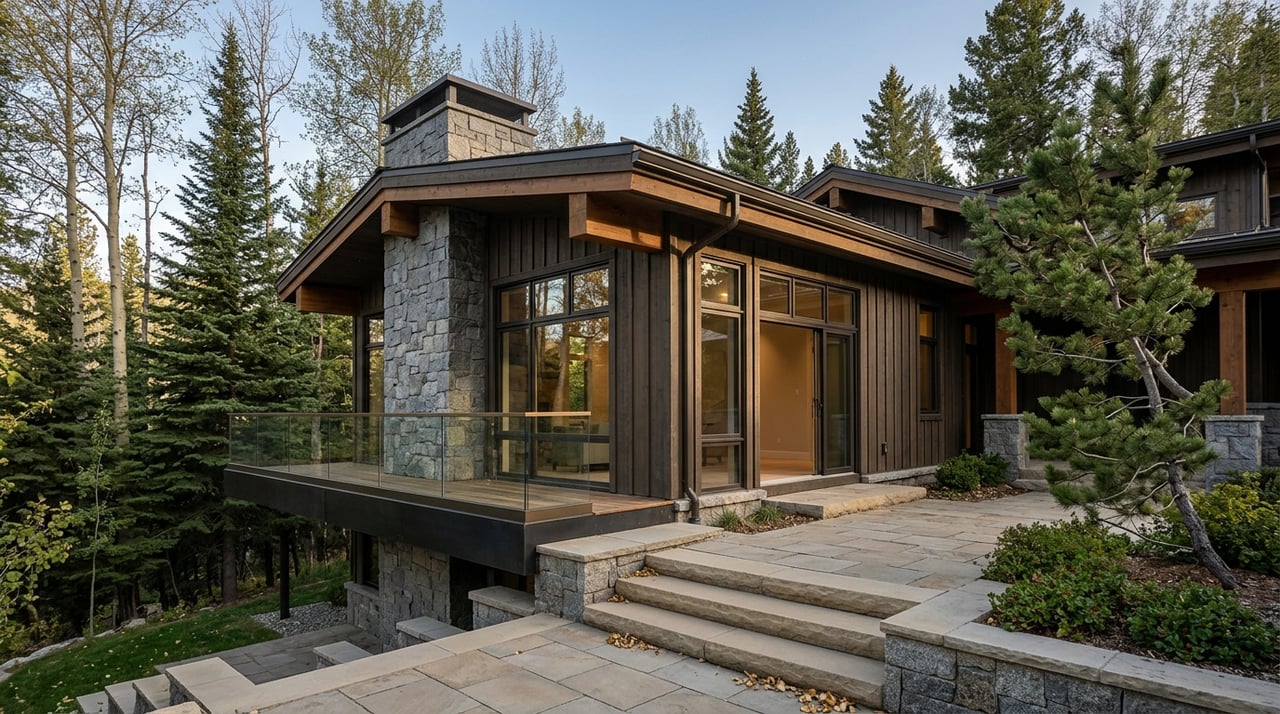
Red Mountain Aspen Architecture and Estate Styles
April 2, 2026
April 2, 2026
If you have ever looked across Red Mountain and wondered why the homes feel so distinct yet so connected, the answer is simple: the architecture is shaped by the mountain itself. In this part of the Aspen area, steep terrain, big views, heavy snowfall, and local design standards all influence what gets built and how it looks. When you understand those patterns, you can better evaluate a home’s design, livability, and long-term appeal. Let’s dive in.
Red Mountain sits in unincorporated Pitkin County within the Aspen planning area, and the design context is deeply tied to climate and regulation. According to Aspen-area planning and building criteria, the local environment includes significant snowfall, an elevation above 8,000 feet, and standards that account for scenic views, solar access, and snow load.
That matters because architecture here is rarely just about style. Roof shapes, siting, outdoor spaces, and materials often reflect practical needs such as snow handling, sun exposure, privacy, and how a home fits into the slope.
Red Mountain is not defined by one single look. Instead, several architectural families appear across the area, often blending mountain function with a more refined design language.
The chalet remains one of the clearest visual references in Aspen-area design. The Aspen modernism guide describes the modern chalet as a postwar housing type with a moderately pitched front-facing gable roof, overhanging eaves, expansive glass, and minimal decoration.
In Red Mountain, that chalet influence often shows up through ski-oriented rooflines, strong gables, and deep overhangs that feel natural in a snowy climate. The Aspen Historical Society’s discussion of Swiss-style lodge architecture helps explain why these snow-conscious forms became part of the region’s visual identity.
Another important branch of the local design story is midcentury modernism. AspenModern identifies several styles that shaped Aspen’s architectural history, including Bauhaus/International, Wrightian/Organic, Rustic, and Chalet.
On Red Mountain, this influence often appears in simpler massing, broad glass, and a more restrained street-facing exterior. Rather than leaning heavily on ornament, these homes tend to use proportion, light, and orientation to create visual impact.
At the more current end of the spectrum, Red Mountain also includes highly contemporary homes with steel, concrete, glass, and crisp linear forms. A Red Mountain residence by CCY Architects uses board-formed concrete, blackened steel, glass, and Swiss Pearl cladding, with a long axis oriented toward major views.
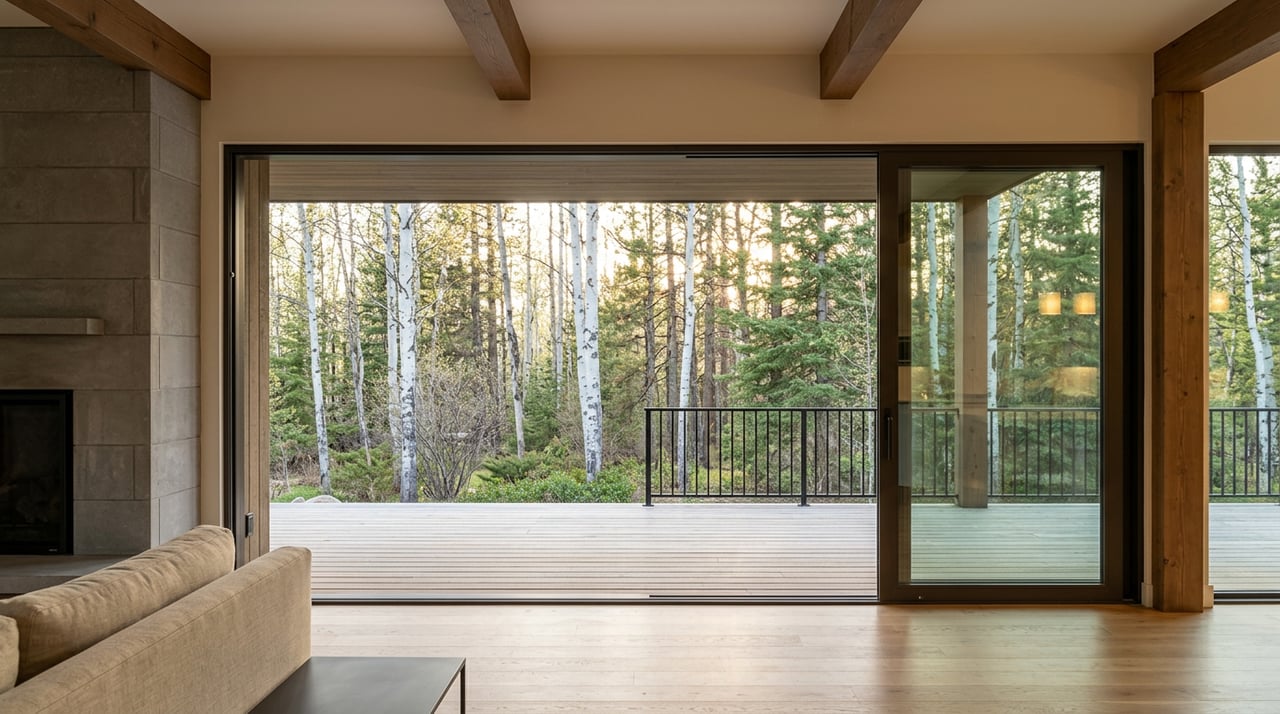
This design language tends to emphasize transparency, outdoor rooms, and a strong connection between interior living spaces and the surrounding landscape. It often feels clean and sculptural, but it is still grounded in mountain conditions.
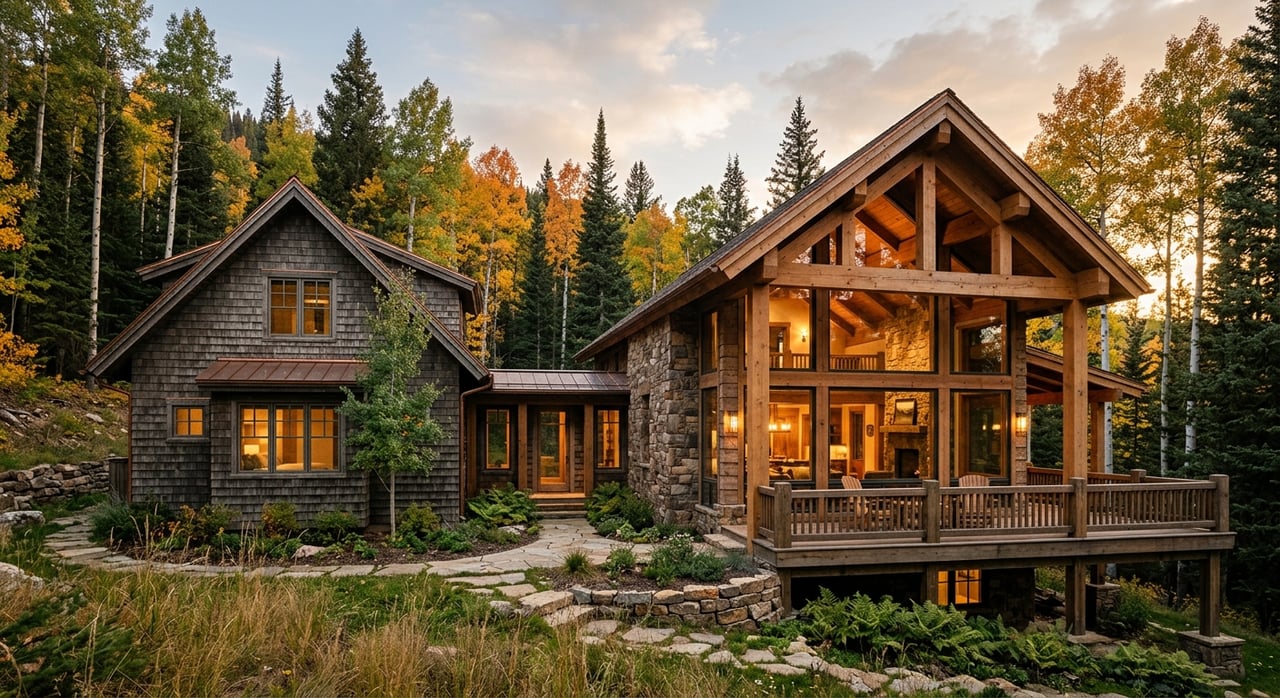
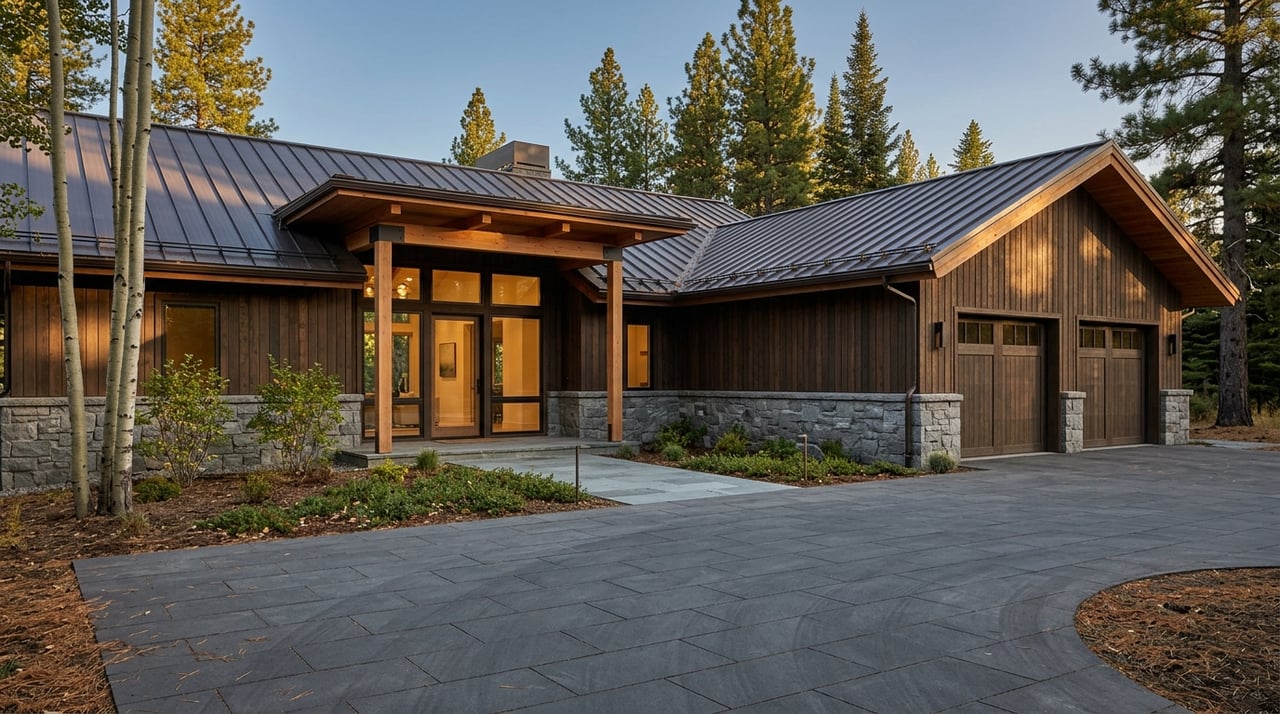
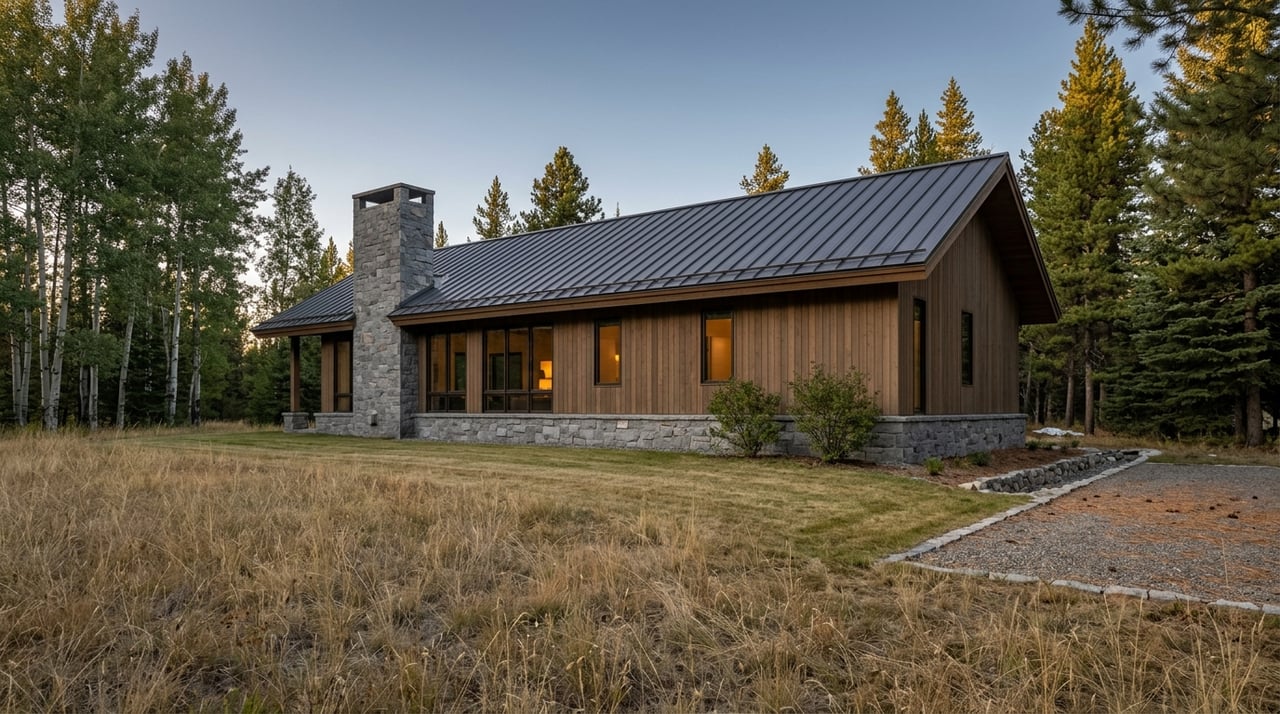
Not every modern home in Red Mountain reads as sleek or stark. Many newer residences soften modern lines with wood, stone, and tactile finishes that feel more natural against the hillside.
A good example is Redstead by Rowland+Broughton, which is described as a steep-site project guided by rustic simplicity and a desire to nestle the house into the land. Similar material warmth appears in projects like CCY’s Red Butte residence, where steel, concrete, reclaimed elm, and beetle-kill spruce create a more grounded mountain-modern feel.
In Red Mountain, architecture is as much about response as expression. The terrain and local standards create a consistent set of design priorities, even when the visual style changes.
One of the clearest patterns is view-first planning. The strongest façade often faces the panorama, whether that means Aspen Mountain, the valley below, or a broader mountain outlook.
That approach appears in both historic and contemporary design examples. The Aspen modernism guide notes that modern chalets often oriented major window walls toward Aspen Mountain, while CCY’s Red Mountain project is specifically positioned toward Aspen’s four mountains and the valley.
Pitkin County’s development standards support solar access and favor east-west orientation with south-facing walls where practical. The county also includes solar-access and roof-readiness guidance, which helps explain why roof forms and glazing strategies are carefully considered.
For you as a buyer or homeowner, this means many Red Mountain homes are designed to balance view exposure with solar control. Large expanses of glass may be paired with roof overhangs, selective orientation, and more thoughtful massing instead of simply adding windows everywhere.
Climate is a major design driver. Aspen’s adopted building criteria cite a 100 psf ground snow load, and the city’s building and energy code information reflects weather-conscious requirements such as ice-shield protection.
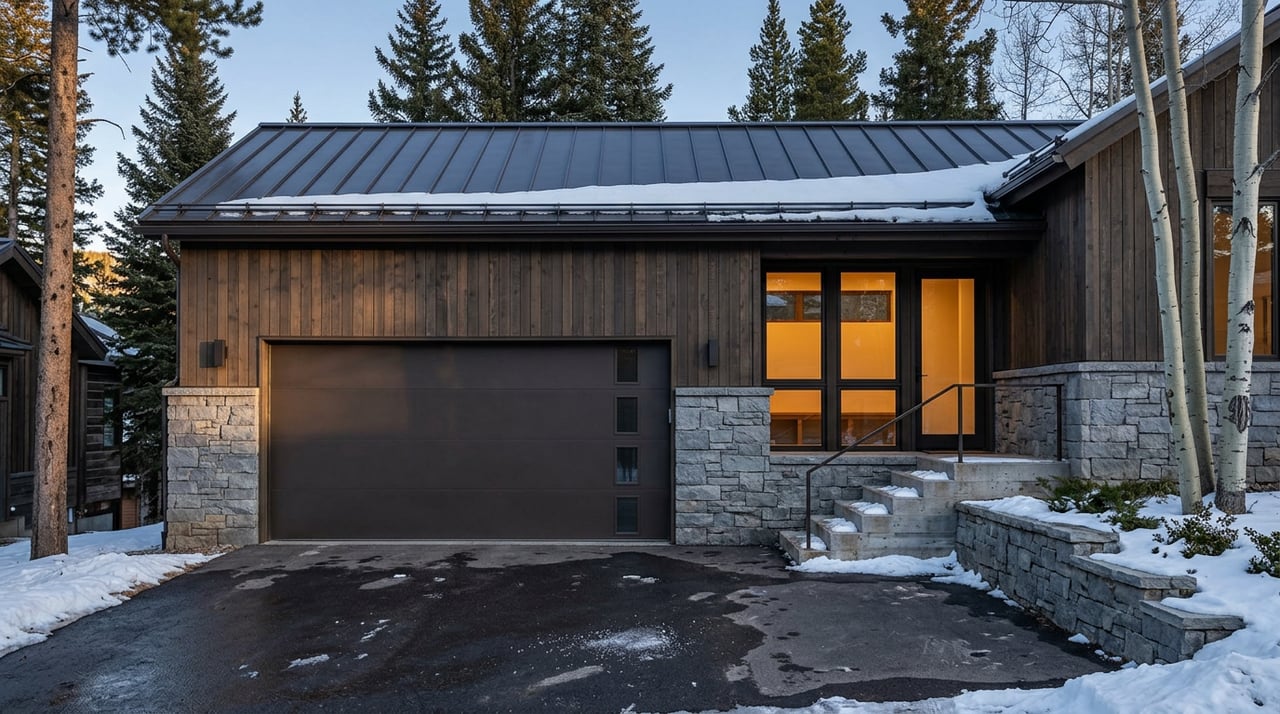
That helps explain why Red Mountain homes often feature strong roof forms, durable envelopes, and detailing that manages runoff and snow accumulation. Deep eaves and robust materials are not just aesthetic choices here. They are practical responses to the setting.
In Red Mountain, privacy is often achieved through terrain, landscaping, and massing rather than tall visual barriers. Pitkin County standards call for screening parking and service areas while preserving rural character.
Architecturally, that often leads to layered forms, selective glazing, and homes that turn inward where needed while opening toward major views. The result is a more integrated approach to privacy that supports the natural landscape.
Topography changes how homes function on Red Mountain. A house on a steep site may not follow the layout logic you would expect on flatter land.
For example, Redstead notes a substantial elevation change between the access point and the desired auto court, requiring the driveway to be widened and flattened. Across hillside properties, this often leads to split-level circulation, upper-level main living areas, and walk-out terraces that meet the grade more naturally.
If you are evaluating a property here, it helps to look at how gracefully the architecture handles arrival, garage access, outdoor connection, and snow-season usability. On a mountain parcel, those details matter as much as the finishes.
In Red Mountain, outdoor living is not an afterthought. It is built into the design from the start.
Projects in the area use terraces, layered walls, and outdoor rooms to extend the living experience into the landscape. The CCY Red Mountain home is a clear example of how architecture can guide movement outward while still framing privacy and views.
This indoor-outdoor connection also makes sense in the local regulatory and climate context. Scenic-view protections, vegetation standards, and weather considerations all support outdoor spaces that feel integrated with the slope instead of detached from it.
If you are buying in Red Mountain, understanding the architectural language can help you see beyond surface style. A home’s roof form, orientation, material palette, and relationship to the site may tell you a lot about comfort, maintenance, privacy, and how well the home responds to its setting.
If you are selling, architecture is a major part of the property story. In a market where design literacy matters, it helps to position a home within the broader Red Mountain context, whether it reflects chalet heritage, Aspen modernism, a glass-and-steel contemporary approach, or a warmer mountain-modern expression.
That is especially important in an area where redevelopment standards and design scrutiny continue to shape the built environment. Aspen’s 2022 residential building regulations update reflects a broader local focus on mass, scale, and thoughtful redevelopment.
The best way to understand Red Mountain architecture is to see it as a hierarchy of responses to place. Chalet memory, midcentury modernism, contemporary design, and warm mountain modern all coexist here because the site demands smart solutions for views, solar access, snowfall, privacy, and slope.
That is what gives Red Mountain estates their lasting appeal. The homes may look different from one another, but the strongest ones share the same core idea: they belong to the mountain.
If you are exploring Red Mountain or preparing to position a property for sale, working with a team that understands both design and market context can make a meaningful difference. The Shea Team brings local perspective, product knowledge, and thoughtful guidance to Aspen-area real estate.
Stay up to date on the latest real estate trends.
We are committed to guiding you every step of the way—whether you're buying a home, selling a property, or securing a mortgage. Whatever your needs, we've got you covered.

415 EAST HYMAN AVE ASPEN, CO 81611