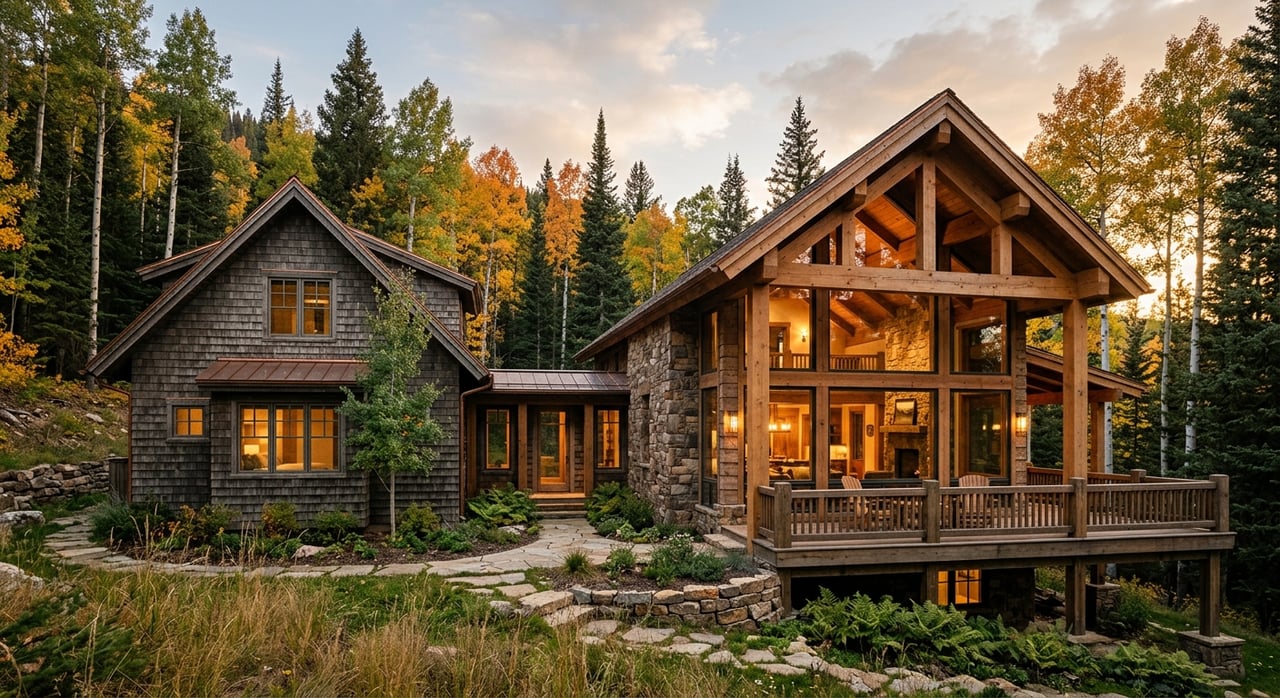
East Aspen Remodel or Rebuild: How to Choose
May 7, 2026
May 7, 2026
Wondering whether an older East Aspen home is worth remodeling or better suited for a fresh start? It is a common question, especially when you are looking at a property with great views, an established footprint, or an aging layout that no longer fits how you live. In East Aspen, the answer usually comes down to more than design taste alone. It often depends on site conditions, zoning, review requirements, and how the existing house fits the land. Let’s dive in.
In East Aspen, the remodel-versus-rebuild decision is closely tied to the land-use process. Pitkin County describes the East of Aspen area as the Highway 82 corridor between Northstar Preserve and Tagert Lake, and long-range planning for the area emphasizes scenic character and visual quality.
That matters because a home here is part of a larger setting. Aspen’s community planning also treats scenic views and biodiversity as important community assets, so any major change to a property should be considered in the context of the lot, the landscape, and the review path.
Before you think about kitchens, rooflines, or square footage, first confirm what rules apply to the parcel. The City of Aspen says the planning map can help you identify the zone district, city limits, historic status, and environmentally sensitive layers such as the Mountain View Plane, Stream Margin, and Hallam Bluff ESA.
That first step is critical because a property inside city limits may follow a different path than one outside city limits in the county. In practical terms, you want to know which jurisdiction applies before you decide whether a remodel or full rebuild is realistic.
Allowable floor area in Aspen depends on the zone district and is calculated from a survey using net lot area in residential zones. Steep slopes and easements can also affect what is actually feasible on the site.
This is why two homes with similar size can have very different potential. A lot with a favorable footprint and strong orientation may support a thoughtful remodel, while a more constrained site may point toward a larger reset if you want to improve how the home sits on the land.
In East Aspen, views are not just a lifestyle feature. They are also part of the planning conversation. Because Aspen places a high value on scenic resources, it helps to compare whether the existing home already captures the lot’s best views or whether a new design could improve the relationship to the site while still fitting the applicable constraints.
If the current house already sits well and frames key view corridors, that can be a strong reason to preserve and improve it. If it misses the lot’s best orientation, a more comprehensive approach may make more sense.
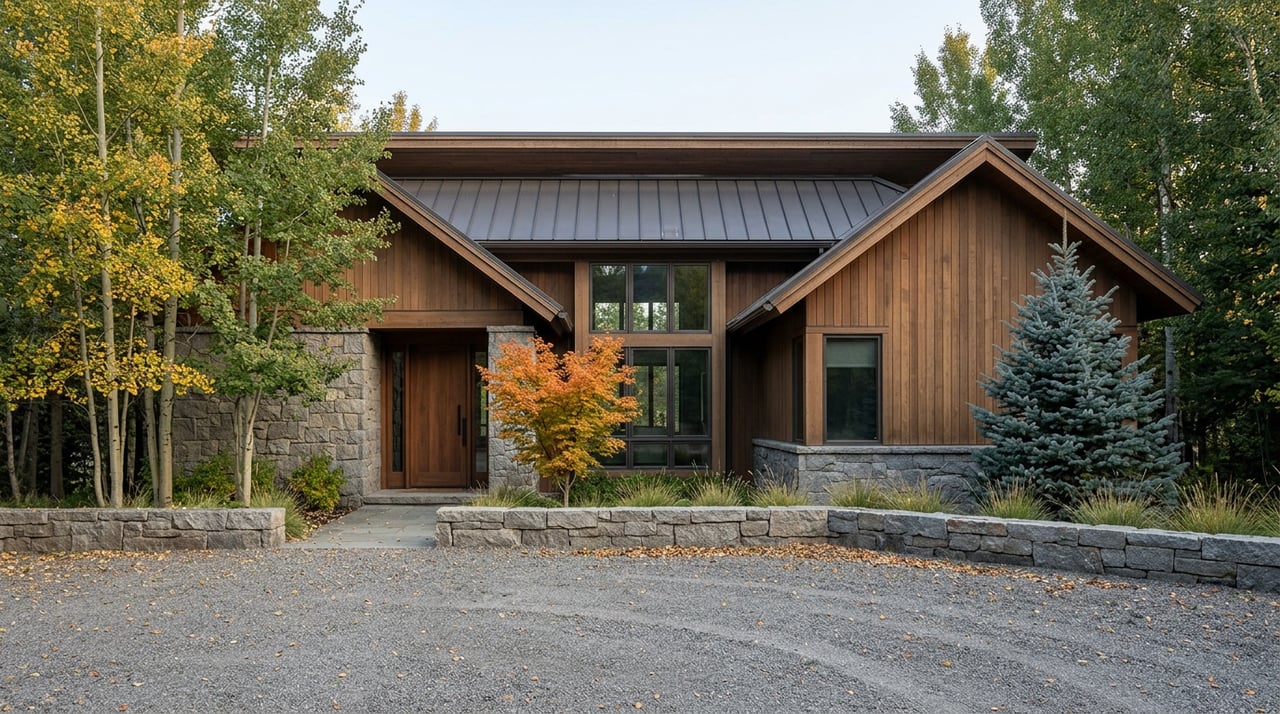
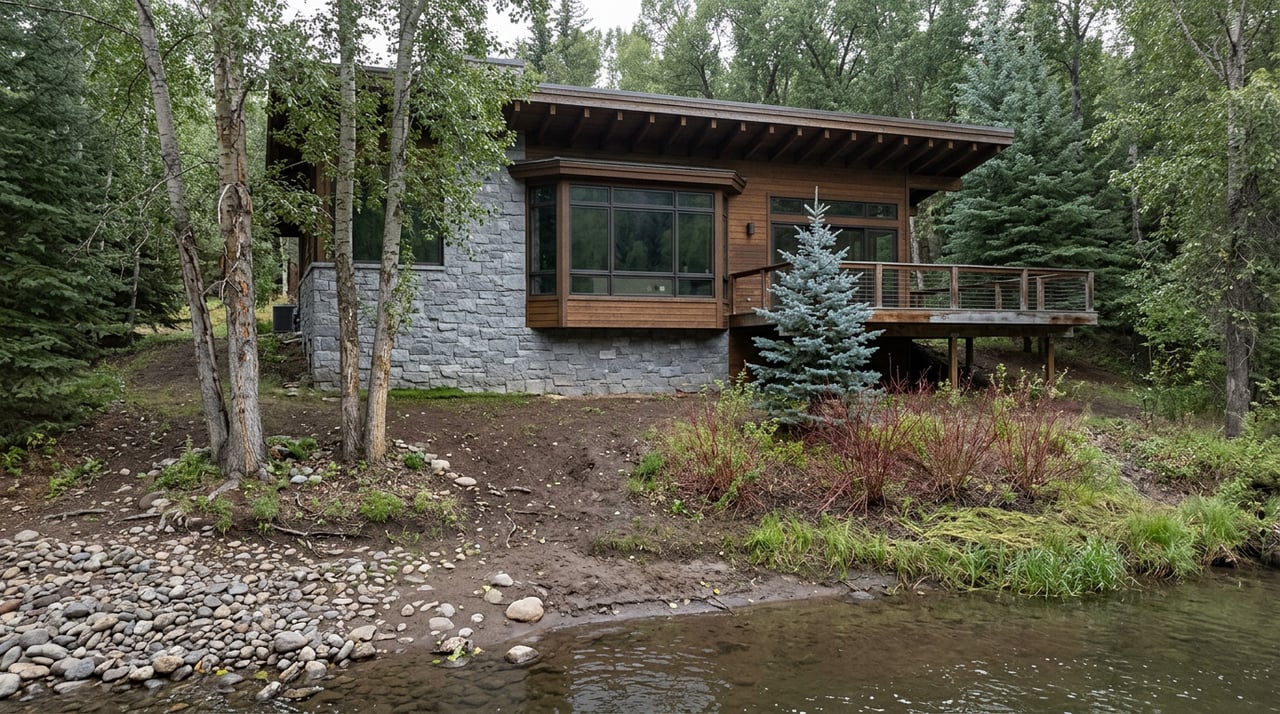
A remodel is often the better path when the existing shell is sound, the house already works well on the site, and your goals fit within the current zoning envelope. If the roofline, footprint, and room layout can be improved without major demolition, you may be able to retain the value of the existing structure while updating how the home lives.
This can be especially appealing in East Aspen, where older homes often have established siting, mature surroundings, and a scale that feels integrated with the landscape. In the right case, a remodel lets you improve comfort, function, and appearance without losing what already works.
Aspen’s historic preservation guidelines identify older postwar house types that often appear in established neighborhoods, including Pan Abode or log kit buildings from roughly the 1950s through the 1970s and Modern Chalet homes from roughly the 1950s through the 1960s.
These homes are generally described as simple wood-based buildings with low-pitched roofs, deep eaves, and rectilinear forms. Those features can make a house a good candidate for a careful remodel when the shell is solid, even if the interior needs modernization.
The same guidelines emphasize preserving original roof forms and historic materials where feasible. That does not mean every older home should stay exactly as it is, but it does suggest that some properties have design value that is best enhanced rather than erased.
If you like the original scale, the existing footprint, or the way the home fits the site, a remodel may allow you to update systems, improve flow, and refine finishes without losing the character that gives the property its identity.
It is important to know that a remodel is not automatically the easier path from a review standpoint. The City of Aspen says most exterior work requires design review, and the residential submittal guide requires an energy assessment before permit issuance for new residential construction, residential additions, and Level 4 residential alterations.
So while a remodel may preserve more of the existing home, it can still involve significant planning and review. The paperwork may be lighter than a full teardown in some cases, but it is rarely minor if the scope is substantial.
Sometimes the home itself is the limiting factor. If the existing structure is too constrained, the layout is inefficient, or your goals require a completely different relationship to the site, starting fresh may be the more practical choice.
This is especially true when the changes you want involve a very different roofline, major structural reworking, or a layout that the existing shell cannot reasonably support. At that point, trying to force a remodel can become less efficient than redesigning from the ground up.
Aspen measures demolition by the surface area of exterior wall and roof assemblies removed. If demolition reaches 35 percent or more, the project crosses the zoning demolition threshold.
That threshold matters because it shifts the project into a different regulatory path. Aspen’s residential regulations use GMQS-based review for single-family and duplex demolition and redevelopment, so a teardown is not simply treated like a bigger remodel.
Starting fresh also means designing to today’s building and climate rules. Aspen uses the 2021 I-Codes with local amendments, and the Colorado Wildfire Resiliency Code applies to building permits submitted after April 23, 2026.
The city’s wildfire guidance says the first five feet around a structure must use noncombustible or ignition-resistant materials. That can influence exterior detailing, hardscape planning, and the immediate area around the home in a meaningful way.
Larger teardowns and rebuilds can also trigger construction and demolition debris rules. Aspen requires debris diversion for qualifying projects, including projects with more than 2,000 square feet of disturbance area.
For projects pursuing a demolition allotment under the city’s residential demolition and redevelopment standards, at least 35 percent waste diversion by weight is required. That is another reason to look at the full process early, not just the design outcome.
If you are weighing remodel potential against a clean-slate build, it helps to compare the property in four categories: site fit, structural value, regulatory path, and end result. Looking at all four together usually gives you a clearer answer than focusing on aesthetics alone.
| Factor | Remodel may fit | Starting fresh may fit |
|---|---|---|
| Site relationship | Existing home already sits well on the lot | Home misses the best orientation or use of the site |
| Structure | Shell is sound and worth keeping | Major structural change would be required |
| Zoning and review | Goals fit within the current envelope | Scope likely crosses demolition threshold |
| Final outcome | Layout can improve without total rework | Desired result needs a fundamentally new plan |
For most East Aspen owners and buyers, the best first contact is the Planner of the Day. The city says this is the right resource for zoning, setbacks, floor-area questions, pre-application steps, and identifying whether a parcel is in a historic district or an environmentally sensitive overlay.
A current survey is also important because allowable floor area is calculated from it. If the parcel is in a planned development, different dimensional rules may apply, which makes early confirmation even more valuable.
The most useful starting package usually includes:
With those basics in hand, it becomes much easier to tell whether the property is best suited for a preservation-minded remodel, a substantial addition, or a full teardown and rebuild.
If a property is individually designated or located within a historic district, Aspen Historic Preservation requirements apply. The city advises owners to contact historic preservation staff before making changes.
That early step can save time and help avoid design work that does not fit the applicable standards. It also helps set realistic expectations for review timing if preservation review will be part of the process.
In East Aspen, the best projects usually start with honest site analysis. A home with strong bones, a favorable footprint, and good orientation may be an excellent remodel candidate, even if it needs meaningful updates. On the other hand, a house that fights the site, misses the views, or demands major demolition may be better approached as a redevelopment opportunity.
The key is to evaluate the lot and the rules as carefully as the house itself. In this part of Aspen, the smartest decision is usually the one that aligns the property’s physical potential with the review path you are prepared to take.
If you are considering an East Aspen purchase, planning a renovation, or assessing whether a property is better positioned as a teardown opportunity, The Shea Team can help you look at the home through both a market and redevelopment lens.
Stay up to date on the latest real estate trends.
We are committed to guiding you every step of the way—whether you're buying a home, selling a property, or securing a mortgage. Whatever your needs, we've got you covered.

415 EAST HYMAN AVE ASPEN, CO 81611