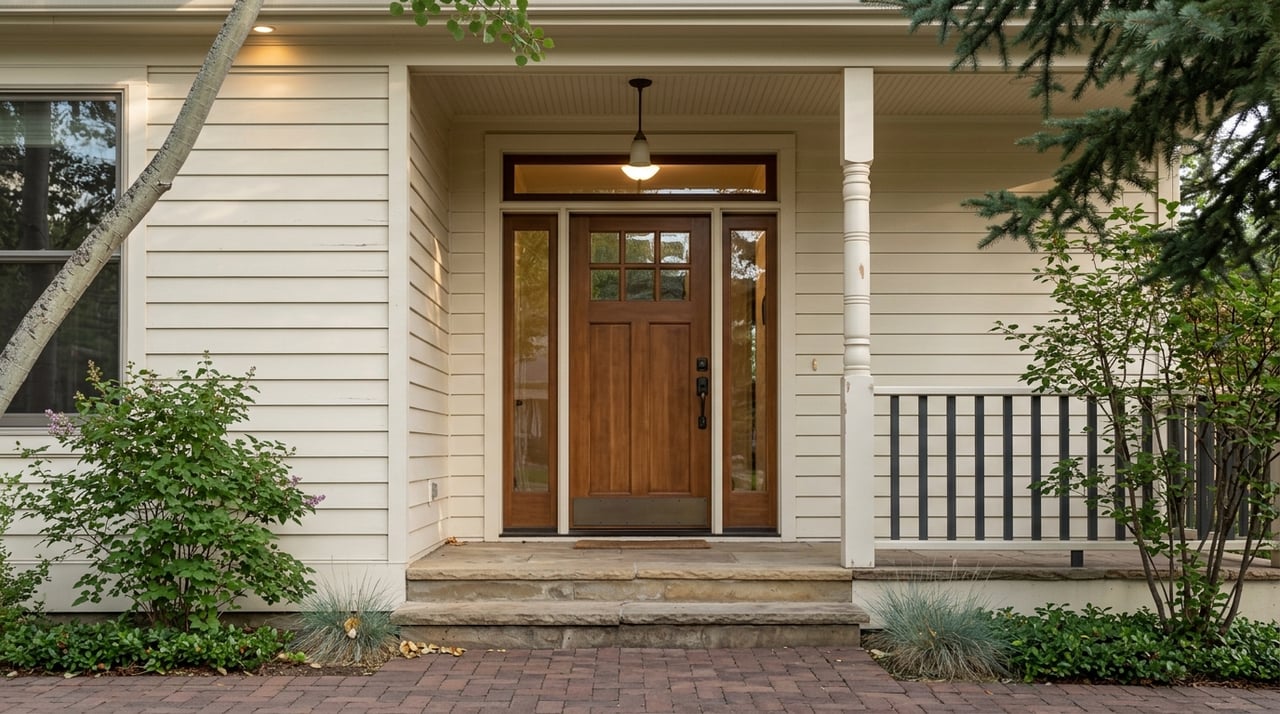
Selling a West End Historic Home in Aspen With Confidence
May 14, 2026
May 14, 2026
Selling a historic home in Aspen’s West End is not just about timing the market. It is also about showing buyers how the property has been cared for, what makes it historically important, and which updates were handled the right way. If you want to protect value while presenting your home with confidence, a thoughtful plan matters. Let’s dive in.
In Aspen, historic value goes beyond a home’s age. The city has more than 300 historic resources, and properties inside historic districts are subject to Historic Preservation requirements and design standards. In the West End, that context includes not only the structure itself, but also the site pattern around it.
Aspen’s design guidelines treat features like alleys, irrigation ditches, and the rhythm of homes along the street as part of the district’s historic character. That means buyers and sellers should think about the whole setting, not just the house. Original materials, visible historic details, and a site layout that still reflects the neighborhood’s pattern can all shape how the home is understood in the market.
If you are considering repairs or improvements before listing, timing is critical. Aspen requires Historic Preservation review and approval before work begins on all exterior work and even some interior work. The city specifically identifies items like painting masonry, replacing windows, altering structural framing, replacing HVAC equipment, and making penetrations through historic material as examples that may require review.
That timeline can stretch longer than many sellers expect. Aspen notes that most exterior work also requires design review through a land use case, and Historic Preservation Commission agendas can be full for months. If you hope to list in spring or summer, it makes sense to begin conversations well in advance.
A strong pre-listing plan usually includes:
One of the biggest mistakes sellers make is assuming small updates are simple. In a historic district, work that feels routine in another neighborhood may need approval here. That is especially important if you want to freshen the home quickly before it goes on the market.
For example, Aspen requires a fence permit, and city rules cap fence height at 6 feet. Fences in front of a street-facing facade can be no taller than 42 inches. The city also requires screening for mechanical equipment if it is visible from the street or placed on a roof.
If your project involves contractors, there is another key detail. General contractors on Historic Preservation projects must hold an active City of Aspen Historic Preservation Contractor License for the duration of the project. That requirement can affect scheduling, bidding, and vendor selection.
If you are considering a major removal or teardown, Aspen also has a specific way of measuring demolition. The city measures demolition by the total exterior wall and roof assemblies removed, excluding windows, doors, and skylights. That definition matters if you are evaluating the scope of work before listing.
When you prepare a West End historic home for sale, the goal is not to make it feel generic or over-renovated. The better strategy is usually to preserve what gives the property its identity while addressing issues that could create questions for buyers. That balance can strengthen both presentation and buyer confidence.
Historic windows are a major part of a home’s character. Aspen’s guidelines say to preserve the position, number, and arrangement of historic windows, retain original openings, and match replacement windows in design and materials when replacement is necessary.
For sellers, that means repair is often more appropriate than replacement. If windows have already been updated, documentation showing that the work matched the historic design intent can be useful during marketing and due diligence.
Aspen’s guidelines emphasize preserving original building materials. Replacement materials should match composition, scale, and finish, while synthetic replacement materials or covering historic materials is considered inappropriate.
That makes material choices especially important before you list. A rushed cosmetic change may do less for value than careful repair that keeps historic fabric visible and intact.
Roof form, pitch, orientation, and materials are not small design details in a historic district. Aspen identifies the roof as a major architectural feature and ties certain roof forms to specific local styles.
If you have completed roof work, or plan to, be sure it aligns with the home’s architecture and the city’s guidelines. Buyers in this segment often notice when a property feels cohesive, and that cohesion can support a stronger impression from the start.
Some sellers hope to boost value by adding square footage or reworking access and landscaping before sale. In the West End, those choices need careful thought. Aspen’s guidelines say additions should be subordinate to the main building, often located to the rear, and designed so the old and new read as separate but compatible.
Within historic districts, additions also should not disrupt the street rhythm or side-yard pattern. That means a larger addition is not always a better one from a market or preservation standpoint. Buyers often respond best when the historic structure still feels like the clear focal point.
Site changes matter too. Aspen’s guidelines favor alleys for cars and services where possible, discourage new curb cuts, and ask that historic ditches remain simple water channels with sod banks rather than becoming decorative landscape features. If your property has alley access, ditch frontage, or a visible streetscape relationship, those features are part of the story you are selling.
Historic homes may also intersect with Aspen’s newer wildfire requirements. The city’s 2026 wildfire rules allow exceptions for historically designated buildings when strict compliance would damage historic features. At the same time, any changes still need to fit the city’s historic preservation code and design guidelines.
That means sellers should not assume one set of rules overrides the other. If your pre-listing work touches exterior materials or fire-related upgrades, early coordination is the safest path.
In a selective market, documentation can be as important as staging. Aspen’s March 2026 market update shows a single-family median sales price of $12.75 million, an average sales price of $15.22 million, 98 homes for sale, and 15.1 months of inventory. In that kind of environment, buyers often compare properties carefully and want clear support for condition, quality, and compliance.
A strong seller packet can help your home stand out. Aspen points sellers toward archival and inventory resources such as the Aspen Historical Society photo archives, Denver Public Library photo archives, and the Inventory of Historic Sites and Structures. Those records can help support a more complete picture of the property’s history.
Useful materials often include:
This kind of packet helps buyers understand the property quickly. It can also reduce uncertainty during due diligence.
Luxury buyers in Aspen are often looking for more than square footage. In the West End, they may be drawn to authenticity, craftsmanship, and a sense of place. That is why marketing a historic home should highlight both lifestyle appeal and stewardship.
The most effective positioning usually answers a few simple questions. What original features remain? Which updates were completed with care? How does the home relate to the West End streetscape, alley pattern, or landscape character? When those details are clearly presented, the home feels more credible and more memorable.
This is also where local expertise matters. Aspen points sellers to Historic Preservation staff, the Planner of the Day, licensed historic preservation contractors, and, when site work is involved, a landscape architect brought in early. Those voices can help shape the work before the property is introduced to the market.
If you are preparing to sell a West End historic home, a calm and organized approach usually delivers the best result. Rather than rushing into cosmetic work, start by understanding the review path and deciding which improvements truly add confidence.
A practical first-step checklist includes:
Selling a historic home in the West End is a distinct process, but it can also be a powerful opportunity. When you present the property with respect for its history, clarity around its updates, and a polished market strategy, you give buyers a stronger reason to see its full value. If you are thinking about next steps, The Shea Team can help you position your Aspen property with thoughtful guidance and tailored marketing.
Stay up to date on the latest real estate trends.
We are committed to guiding you every step of the way—whether you're buying a home, selling a property, or securing a mortgage. Whatever your needs, we've got you covered.

415 EAST HYMAN AVE ASPEN, CO 81611