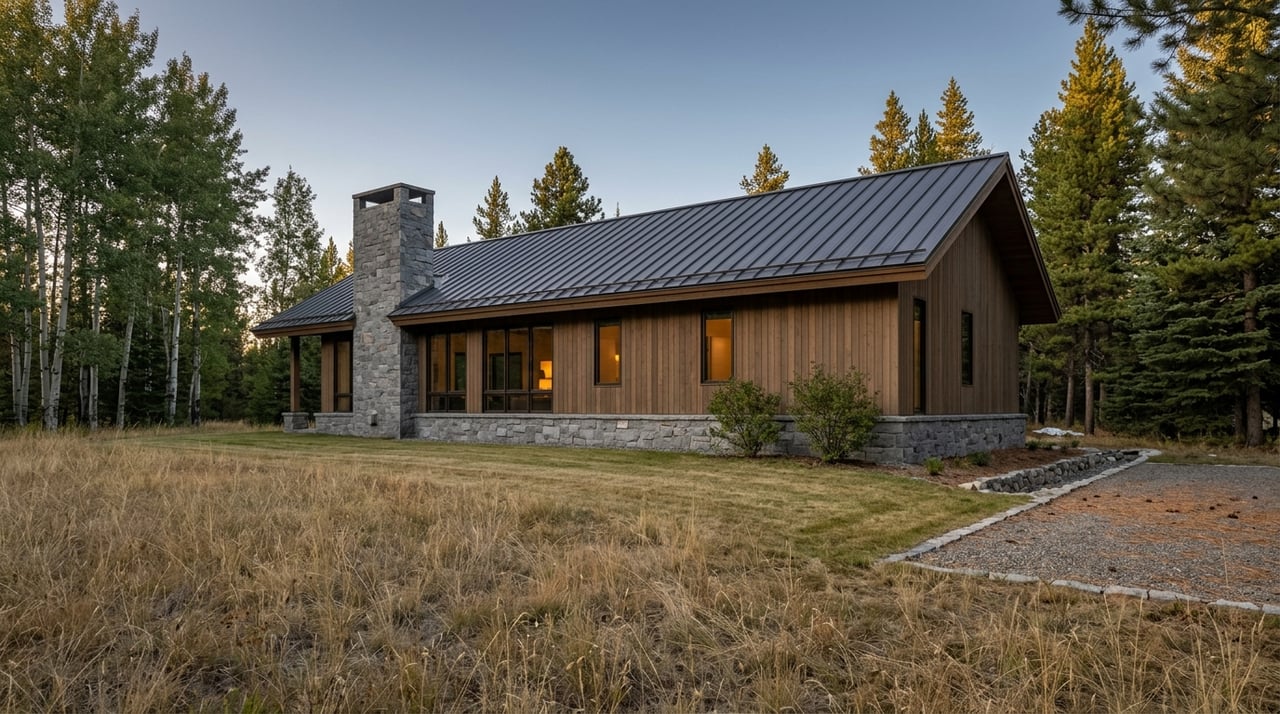
Old Snowmass Ranch Properties & Acreage Lifestyle
April 16, 2026
April 16, 2026
If you are drawn to big views, open pasture, and the quiet that comes with real elbow room, Old Snowmass may feel very different from the mountain towns you have toured before. This is not a typical neighborhood market built around compact lots and walkable blocks. It is a rural part of Pitkin County where land, water, access, and allowed uses can shape your ownership experience as much as the home itself. Let’s dive in.
Old Snowmass is best understood as a rural mountain setting with a strong agricultural backdrop. According to the Snowmass-Capitol Creek master plan, the valley remains predominantly rural and agricultural, with open meadows, pastureland, wildlife habitat, and land uses tied to livestock grazing, equestrian activity, and irrigated farming.
That rural character is not accidental. The plan area covers about 17,000 acres and is intended to preserve the scale and visual openness that make this part of Pitkin County distinct. For you as a buyer, that often means more privacy, broader view corridors, and a stronger connection to the land.
In Old Snowmass, acreage can mean many different things. Current listing examples in and around the area range from roughly 1 acre to more than 500 acres, with examples at 1.1, 4.1, 18.4, 39.1, 107.98, 288, and 544 acres, based on recent market listings.
That range matters because not every acreage property functions the same way. A smaller parcel may offer privacy and views, while a larger holding may support more meaningful pasture, equestrian improvements, or agricultural infrastructure. In this market, acreage is less about a simple number and more about how the land lays out, how it is served, and what the county allows.
Around Old Snowmass, the word “ranch” is usually a lifestyle description rather than a formal zoning term. Buyers often use it to describe a property with land, privacy, and utility for horses, livestock, or a more self-directed mountain lifestyle.
Common features on these properties can include barns, paddocks, riding rings, fenced pasture, ponds, outbuildings, creek frontage, and water rights. Recent examples also show horse trails and grazing land on area properties, which lines up with the county’s rural-agricultural setting, as seen in current acreage listings.
Before you fall in love with a barn, pasture, or building site, zoning deserves a close look. Pitkin County’s land use code includes several rural districts that are relevant to Old Snowmass-style properties, with minimum lot areas such as 20 acres in RS-20, 30 acres in RS-30, 35 acres in RS-35, RR, and LIR-35, 10 acres in AR-10, 2 acres in AR-2, and 160 acres in RS-160, according to the current county code.
Zoning also affects what you may be able to build in the future. In many rural districts, the base floor area exempt from the county’s growth-management quota system or transfer development rights purchase is 5,750 square feet, which means larger homes may require additional approvals or development rights. If you are evaluating expansion potential, this is one of the first items to confirm.
If horses are part of your plan, the answer is often “possibly,” but not automatically. Pitkin County allows horse-related uses in the right circumstances, but the use must fit the parcel’s zoning and intensity limits.
Under the county rules, horse boarding facilities are limited to 10 visitor trips per day. Riding stables or academies must meet the minimum lot size for the zone district and are capped at 10, 20, or 30 visitor trips per day depending on parcel size. If you want a private horse property, a small boarding operation, or more active equestrian use, those distinctions matter early.
One of the biggest advantages of acreage living is the ability to support the land with useful structures. That might include a barn, hay storage, loafing sheds, equipment storage, or other agricultural improvements.
That said, you should not assume every outbuilding is simple to add. Pitkin County applies separate agricultural floor-area exemptions that scale with acreage, so the parcel size and intended use can affect what is allowed. The county’s agriculture building exemption guidance is an important starting point when you are reviewing a property with future plans in mind.
Utility questions become much more important when you move from town to acreage. Pitkin County states that many residences receive water from private wells, and homes outside a sewer district are served by an OWTS, or septic, system, according to the county’s well information page and wastewater guidance.
For you, that means due diligence should go beyond the home itself. You will want to understand well permits, water quality, production, septic location, capacity, and whether the system matches current and future needs. If you are considering new construction or a remodel, the county also notes that projects must accumulate building-efficiency points for resource conservation.
On rural land, water can be one of the most valuable and misunderstood parts of the property. A pond, spring, seep, creek, or irrigation ditch may look like a major benefit, but ownership and use rights are not always straightforward.
Pitkin County explains that springs and seeps are generally subject to Colorado’s prior-appropriation system. The county also notes that ponds require county review plus proof of the water rights needed to divert, store, and use water, and that a ditch crossing your land does not automatically give you the right to use that water. You can review those basics on the county’s springs and ponds resource page.
Old Snowmass often appeals to buyers who want privacy, beauty, and a true western mountain-property feel. In return, ownership usually involves more hands-on stewardship than an in-town property would.
Depending on the parcel, that can include reviewing wetlands or riparian constraints, understanding wildfire mitigation needs, maintaining access and driveways, and preserving the open character of the land. Pitkin County’s rural living guide is designed as a starting point because these properties come with unique conditions that deserve close review.
For many buyers, the decision is not just about one property. It is about lifestyle. The City of Aspen describes a compact environment that is pedestrian- and bike-friendly, with walking and transit as core ways to get around.
Old Snowmass offers a different tradeoff. Instead of density and convenience, you gain privacy, room for horses or agricultural uses, and a quieter landscape-first setting. In practical terms, that often means more driving, more land management, and a stronger focus on the property’s infrastructure and long-term use.
If you are considering acreage or ranch living in Old Snowmass, these are the questions worth answering before you write an offer:
Acreage purchases in Old Snowmass can be deeply rewarding, but they usually require more homework than a standard residential transaction. The value is not just in the house. It is in the land, the rights, the utility, and the confidence that the property can support the way you want to use it.
That is where experienced local guidance matters. If you are weighing Old Snowmass against Aspen, or trying to understand whether a specific parcel fits your goals, The Shea Team can help you evaluate the details with a clear, grounded perspective.
Stay up to date on the latest real estate trends.
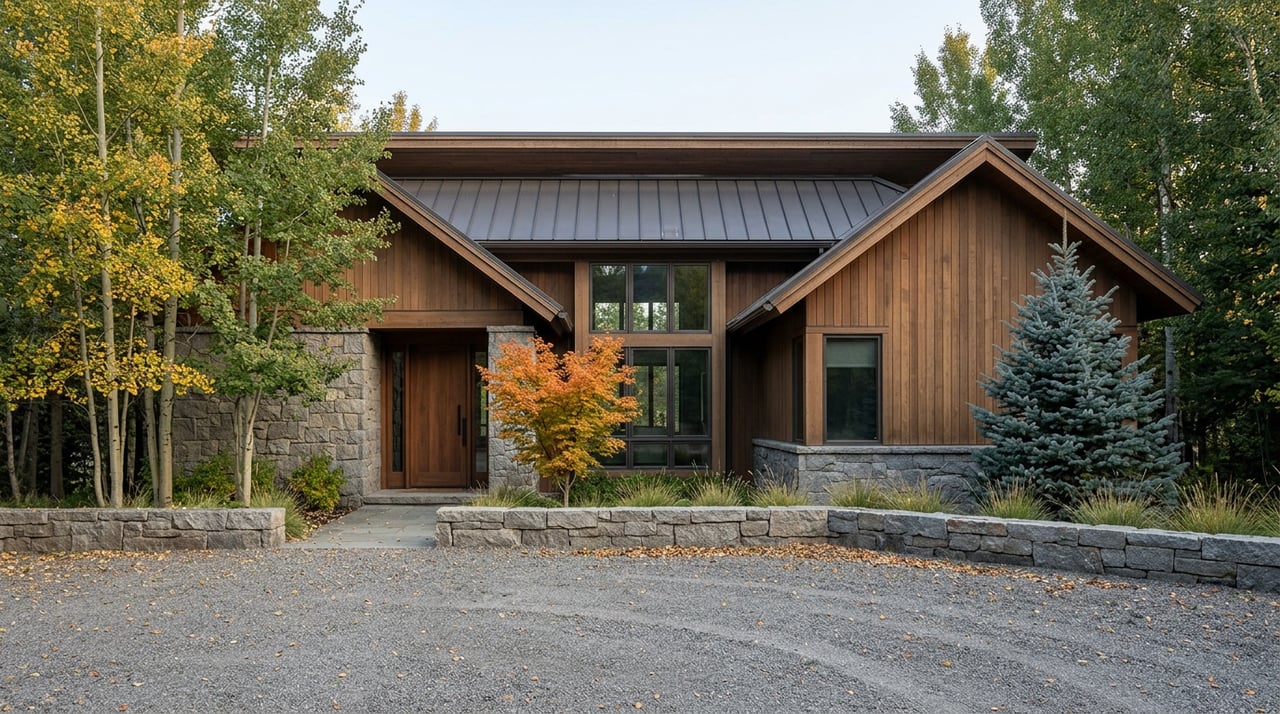
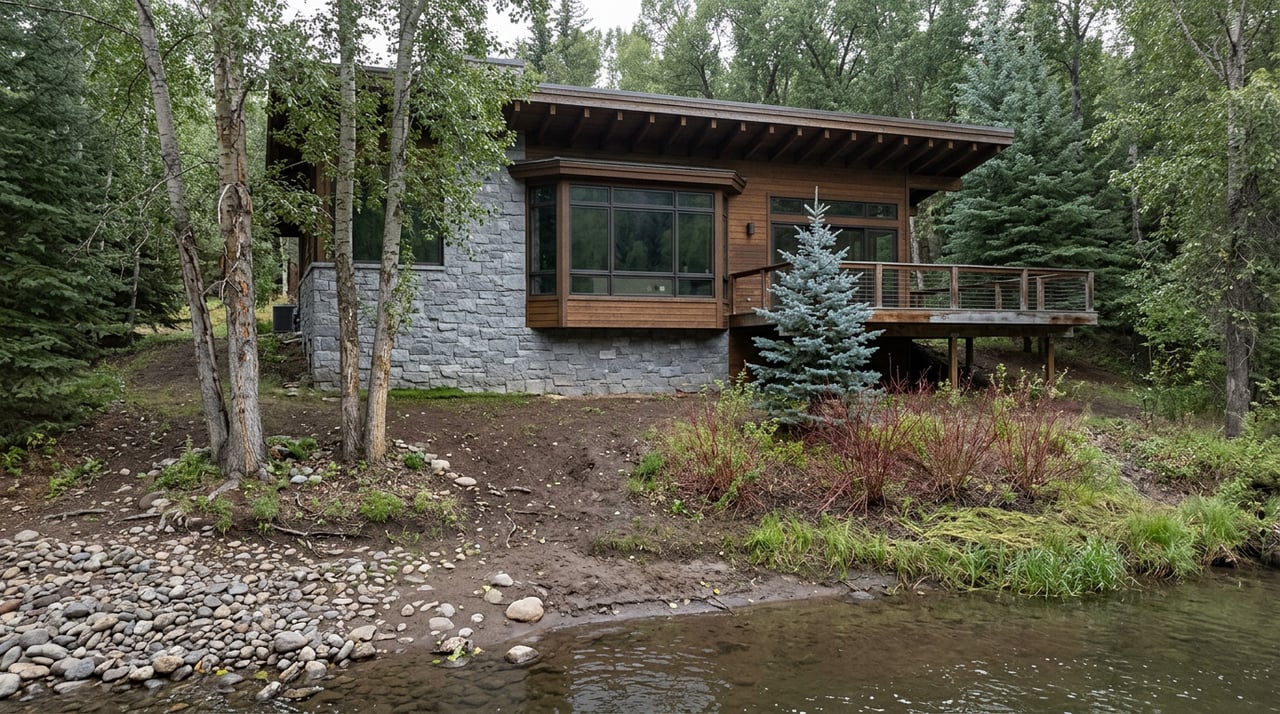
We are committed to guiding you every step of the way—whether you're buying a home, selling a property, or securing a mortgage. Whatever your needs, we've got you covered.

415 EAST HYMAN AVE ASPEN, CO 81611