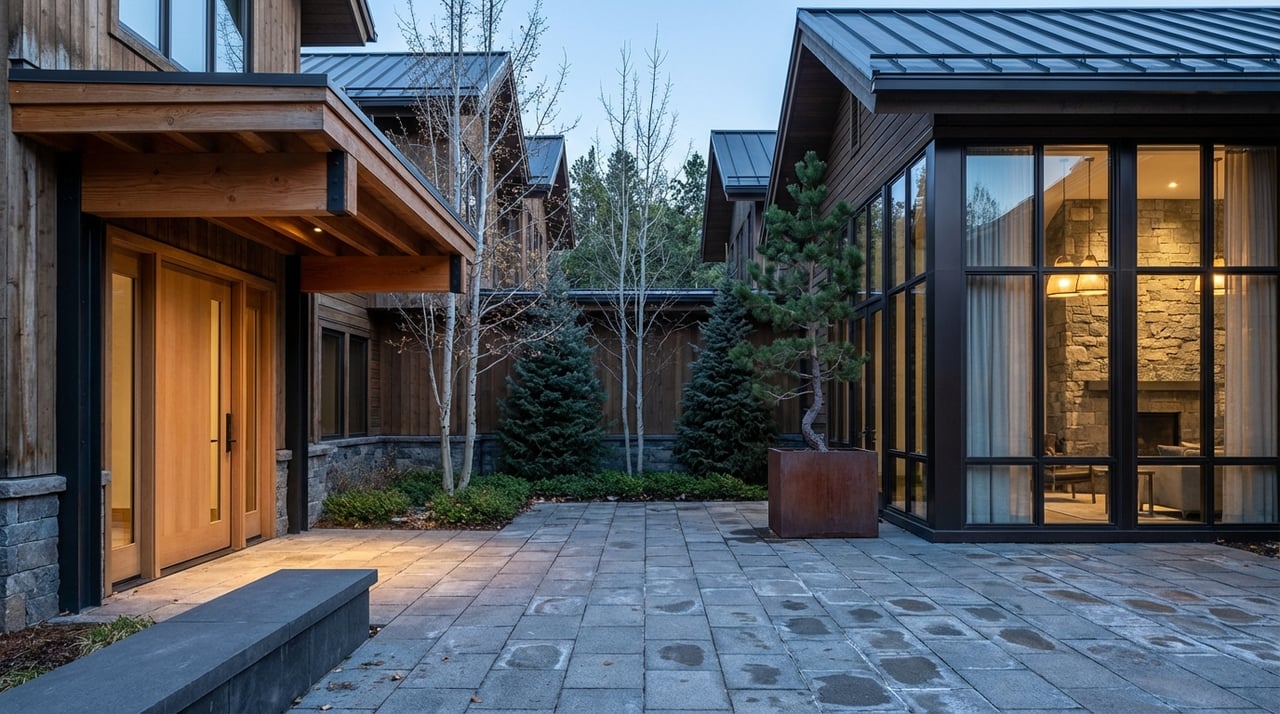
Is Aspen Central Core Living Better as Pied-à-Terre or Home?
February 19, 2026
February 19, 2026
Is Aspen’s Central Core calling your name, but you are torn between a low-maintenance pied-à-terre and a year-round home base? You are not alone. Buyers who love the energy of downtown also weigh rules for short-term rentals, amenity packages, parking, and lending. In this guide, you will learn how the Core’s building types, walkability, and city regulations shape what is possible, so you can decide with confidence. Let’s dive in.
The Core is Aspen’s compact downtown grid, often referenced in local listings as Area 01. You can walk to the Silver Queen Gondola, Hyman Avenue shops, restaurants, and seasonal events. For many, that lifestyle makes a small footprint feel big.
Aspen’s downtown earns a Walker’s Paradise rating, which is why so many owners choose the Core for a simple lock-and-leave setup. Walk Score confirms strong walkability for Aspen’s center.
Transit is easy too. Rubey Park is the RFTA hub in the middle of downtown, with local and skier shuttles that connect you to the other mountains and the valley. If you prefer to skip driving, RFTA’s Guide to Ride explains routes and schedules.
Parking is limited compared to outlying neighborhoods, and winter rules matter. The City enforces overnight and snow-removal restrictions within town, so confirming building parking or a dedicated space is smart. You can review Aspen’s snow maintenance guidelines and parking windows.
Core inventory leans to condos, including lodge or condo-hotel properties. Many offer concierge, on-site management, ski storage, and housekeeping. Those services support true lock-and-leave living and can make rental operations more seamless. The City recognizes lodge and condo-hotel properties within its short-term rental program, which can change how you permit and operate. You can see the permit framework on the City of Aspen short-term rentals page.
Townhomes and multi-level units often provide private entries, more storage, and sometimes a garage. If you plan longer stays or full-time residency, this residential feel is a draw. Expect fewer hotel-style services, so absentee owners should plan for a local manager and seasonal maintenance.
Penthouses tend to command premium pricing and strong rental appeal due to views and location. If you are blending personal use with rental income, permit type and tax treatment will drive your net numbers. Confirm how your intended use aligns with the City’s permit types and taxes before you set expectations.
Historic Victorians and renovated homes at the edges of the Core are prized by long-term residents and buyers who value character. They usually require more owner attention and may not include the full-service infrastructure common to lodge buildings. Parking, access, and HOA or land-use rules can also affect if and how you rent.
If rentals are part of your strategy, Aspen’s STR program is decisive. The City requires permits for stays under 30 days and uses three primary permit types:
Permits are annual and non-transferable, and they include business license requirements and in-unit disclosures. Always verify a specific address and permit pathway on the City of Aspen STR page.
Some residential zones in Aspen have caps for new STR-C permits. The Commercial Core zone, which covers much of downtown activity, is listed by the City as not capped for STR-C. This can make the Core more permissive for investment-style rentals than many residential areas, but you still need to confirm zoning and permit status for any parcel with the City’s materials.
Aspen’s lodging and STR excise taxes vary by operator type and are material to net returns. For stays booked on or after May 1, 2023, the combined tax burden typically falls in these bands:
These differences can shift a pro forma by a wide margin. Review the latest tables on Aspen’s Lodging and Short-Term Rental Taxes page.
Properties in unincorporated Pitkin County follow different rules: a 4-night minimum stay, a 120-night annual cap, and a history-of-use requirement tied to activity from May 11, 2017 through May 11, 2022. Fees are tiered by nights and reference assessor market value. Those limits can make certain county parcels better for seasonal or long-term use than for full STR monetization. See the Pitkin County STR portal.
Aspen requires a local Qualified Owner’s Representative if you cannot respond in person, occupancy limits apply, and permit renewal needs evidence of at least one taxable stay each year. The program also includes public notice steps in some cases and in-unit messaging on topics like wildlife and trash. These operations details add cost and structure, which is important when you choose between a pied-à-terre and a rental-forward plan. The full framework is on the City’s STR page.
If low effort is your priority, look for buildings with concierge, housekeeping, ski lockers, and on-site management. These features make arrivals and departures easy and can streamline STR operations in buildings that qualify for lodge treatment under the City’s definitions. Learn how the City views lodge and condo-hotel properties on the Aspen STR page.
Many Core residents skip a car thanks to walkability and frequent shuttles from Rubey Park. That said, a deeded space or garage can be a premium feature, especially in winter. Review the City’s snow maintenance rules and consider whether a vehicle will be part of your routine. The RFTA guide helps you plan a no-car lifestyle.
Absentee owners should budget for regular inspections and seasonal winterization. A local manager or your building’s management team can help you prevent freeze damage, manage snow access, and handle trash procedures. If you plan to operate as an STR, remember the City’s requirements for a Qualified Owner’s Representative and in-unit messaging, outlined on the STR program page.
How you intend to use the property can change your mortgage terms. Lenders typically treat a second home differently from an investment property, with stricter reserves and down payments for income-focused purchases. Before you shop in earnest, discuss your plan with a lender so they can guide you on second-home versus investment underwriting. For a consumer-friendly overview, see Experian’s primer on vacation-home financing.
Use this short list to focus your decision:
Choosing between a pied-à-terre and a full-time home in Aspen’s Central Core comes down to lifestyle and rules. The right building and permit path can make ownership simple, while the wrong match can add friction to your plans. If you want a clear read on zoning, STR eligibility, amenities, and building-by-building nuances, connect with a local team that lives this every day. Connect with The Shea Team to map your goals to the right address in Aspen’s Core.
Stay up to date on the latest real estate trends.
We are committed to guiding you every step of the way—whether you're buying a home, selling a property, or securing a mortgage. Whatever your needs, we've got you covered.

415 EAST HYMAN AVE ASPEN, CO 81611