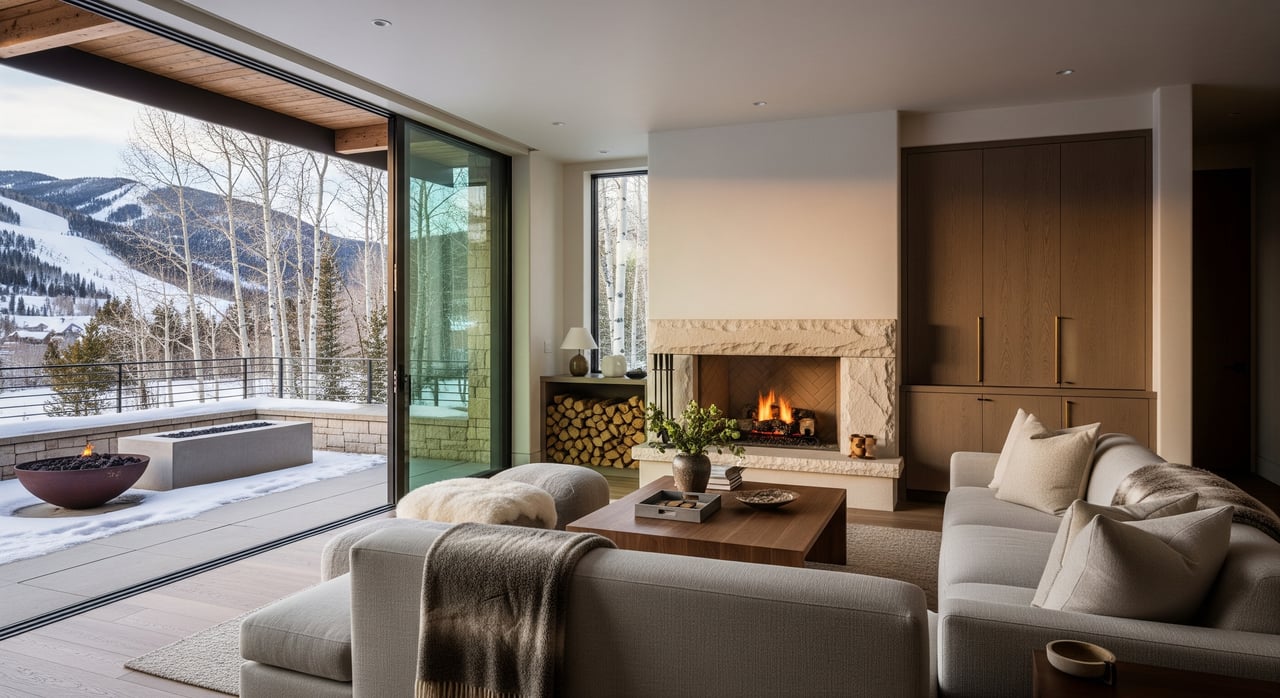
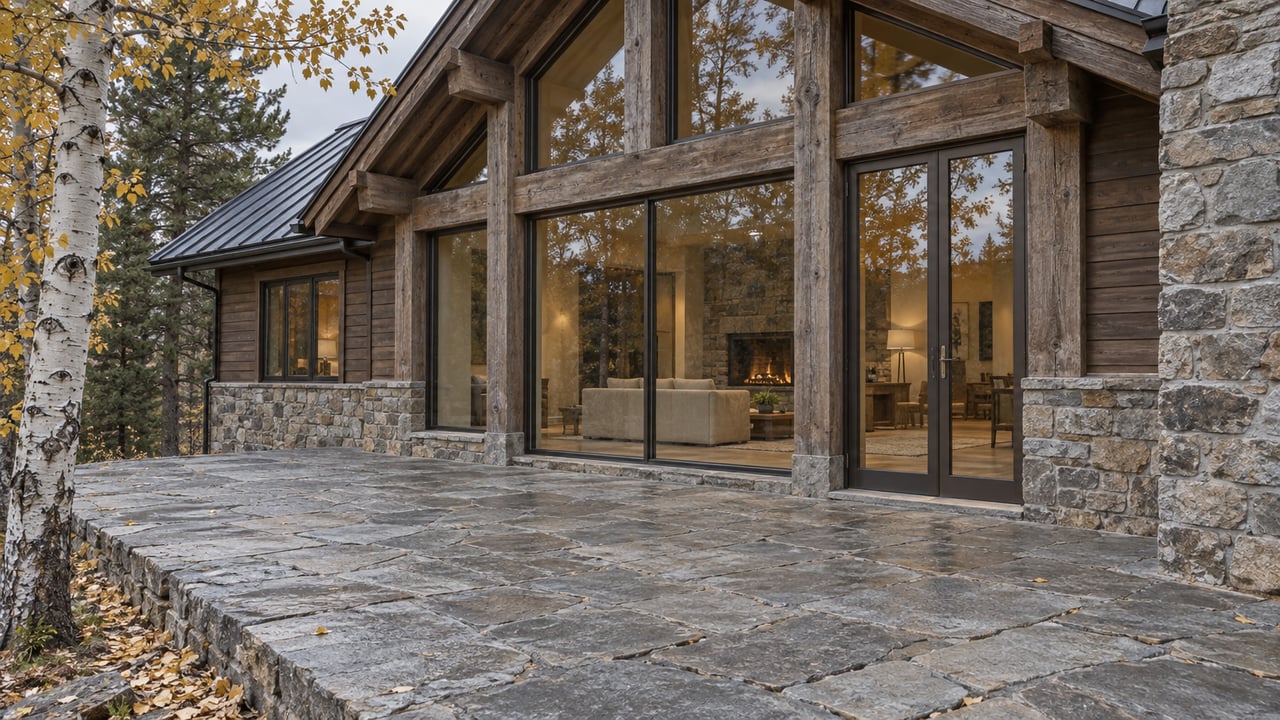
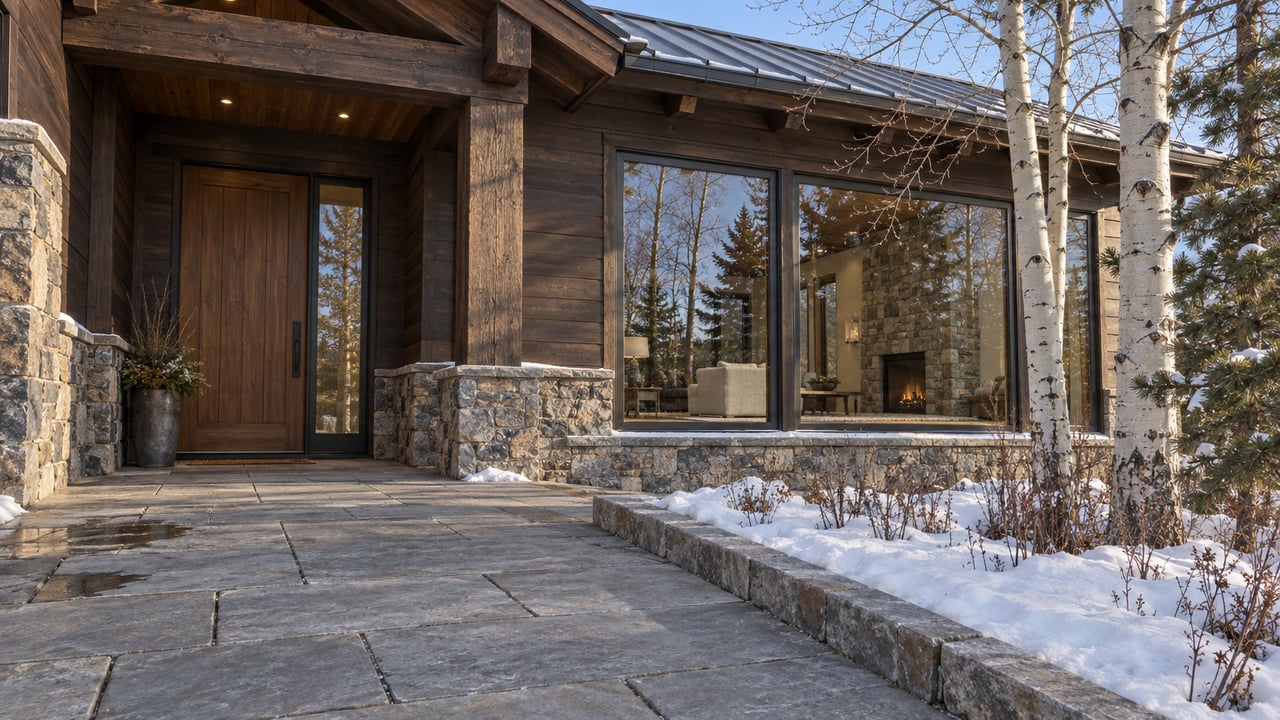
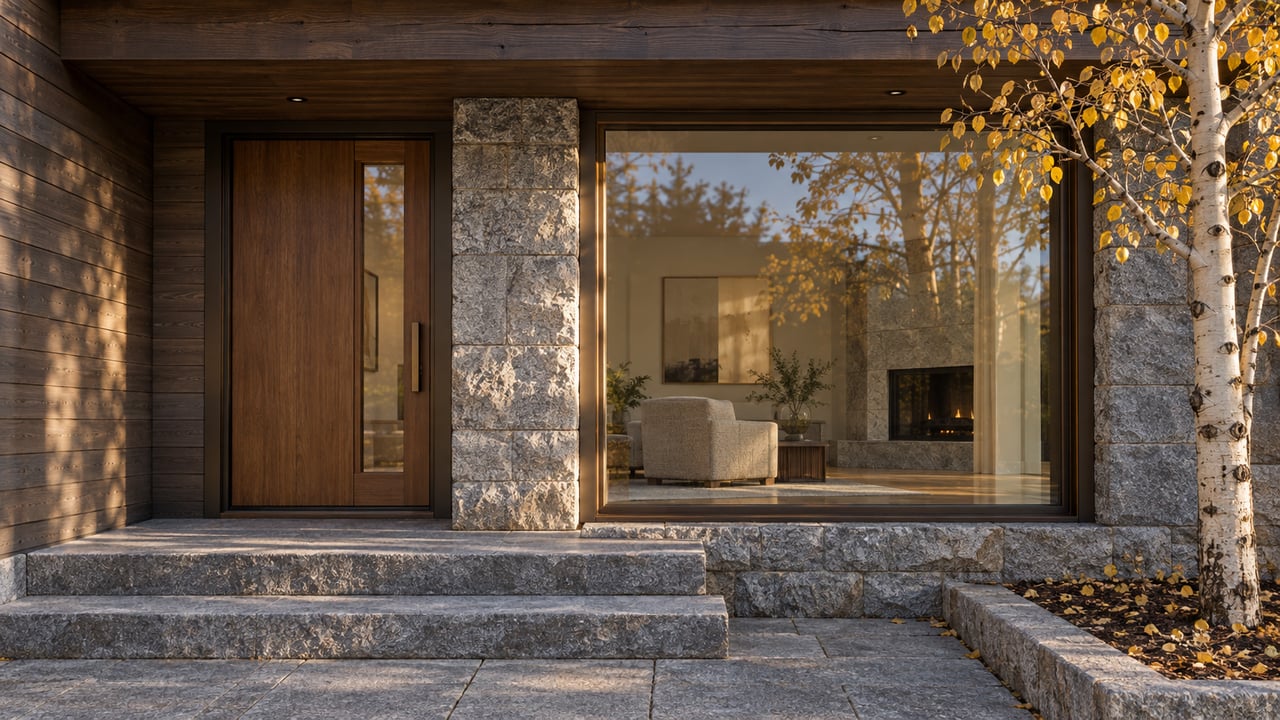
Thinking about renting your Snowmass Village home when you are not using it? You are not alone. Short-term rentals can offset holding costs and keep your property active year-round, but success depends on getting the rules, timing, and operations right from day one. In this guide, you will get a clear checklist for permits and taxes, a snapshot of local seasonality, and practical steps to set up, price, and manage your rental with confidence. Let’s dive in.
Start with a legal checklist
Before you list your property, confirm that short-term rental use is allowed and properly registered. Local rules can change, so always verify the latest requirements directly with the relevant offices.
- Check your jurisdiction. Properties inside the Town of Snowmass Village typically follow town rules. Properties outside town limits follow Pitkin County. Each may have different permits, occupancy caps, and parking standards.
- Confirm HOA or condo rules. Covenants may limit or prohibit short-term rentals even when local ordinances allow them. Review CC&Rs and talk with the association manager.
- Identify required permits. Many owners need a local short-term rental permit or business license. Ask about inspections for smoke and CO detectors, egress, and life-safety compliance.
- Register for taxes. Colorado requires collection and remittance of state sales tax for lodging. Review the state’s guidance at the Colorado Department of Revenue website for lodging providers. You can start with the Department’s main portal at the Colorado Department of Revenue site for registration and policy details.
- Understand operating rules. Expect occupancy limits, quiet hours, and parking restrictions. Some towns require you to post emergency contacts, house rules, and permit numbers inside the unit.
- Plan for enforcement. Violations can lead to fines or permit suspension, especially if there are nuisance complaints.
Tip: Keep digital and hard-copy folders with your permit, inspection results, emergency contacts, tax IDs, and any required guest-facing notices.
Know the Snowmass demand cycle
Snowmass is a classic two-peak market. Positioning your calendar and pricing around these rhythms will drive your revenue.
- Winter peak: December through March is historically strongest for both occupancy and average daily rate. Skier groups and families book earlier, and multi-night stays are common.
- Summer surge: Late June through August brings strong leisure demand for hiking, biking, and festivals. Holiday weekends also perform well.
- Shoulder seasons: Spring melt and mid-fall often slow down. Expect to adjust minimum stays and offer value-driven promotions.
- Events and spillover: Major events across the Aspen Snowmass area can lift demand throughout the valley. Keep an eye on the official event calendar from Snowmass Tourism so you can plan rates and minimums around peak dates.
Pro move: Build an annual calendar with school breaks, holiday weekends, and local events. Update it monthly to capture new announcements.
Choose the right management model
Your management approach sets the tone for guest experience, pricing, and peace of mind. Decide how hands-on you want to be.
- Self-managed: You handle listings, pricing, guest messaging, and turnovers. This can maximize net income but requires time and quick response, especially during storms or peak periods.
- Co-hosting or part-time support: You keep pricing and guest communication, while a local partner manages cleaning, inspections, and on-call support. This is a flexible option for nearby owners.
- Full-service manager: A local firm oversees dynamic pricing, marketing, inquiries, check-ins, cleaning, maintenance, and tax remittance. Expect a percentage-based fee plus possible pass-throughs for guest services.
- Rental pools in condo buildings: Some developments offer pooled programs with hotel-style operators. Review revenue splits, owner-use rules, and any design standards.
When comparing options, ask about service-level commitments, reporting portals, payment schedules, damage-deposit handling, and who holds funds.
Make your property rental-ready
A few targeted upgrades and clear operating standards can improve reviews, reduce wear, and increase revenue.
- Safety and compliance: Install and test smoke and CO detectors, place fire extinguishers, and post emergency contacts and evacuation notes. Keep records for inspections.
- Winter readiness: Confirm reliable snow removal, de-icing, and safe access. Provide ski storage, boot trays, and durable floor mats near entries.
- Access and parking: Clarify the number of parking spaces and winter rules. Good access to Snowmass Base Village, shuttle stops, and lifts can justify stronger pricing.
- Guest experience: Invest in comfortable bedding, blackout shades, a fully stocked kitchen, fast Wi‑Fi, and clear instructions for fireplaces, thermostats, and hot tubs. Verify any hot tub rules with your HOA and local code.
- Smart setup: Use smart locks for contactless entry, labeled switches, and a simple guidebook. Include check-in steps, house rules, parking, trash, and emergency procedures.
- Professional presentation: Use professional photography and concise, accurate listing copy. Highlight proximity to lifts, views, outdoor space, and storage for gear.
Create a standard operating checklist for turnovers and seasonal maintenance. Consistency prevents rushed fixes during peak weeks.
Price with a plan
Dynamic pricing helps you align rates with real-time demand, day of week, and season. You can manage this yourself or rely on a manager’s tools and expertise.
- Calendar strategy: Raise rates for peak winter and event weeks, hold firm for high-demand weekends, and relax minimum stays during shoulder periods.
- Minimum-night rules: Use longer minimums during holidays and short minimums for gap nights. Flexible rules can lift occupancy without diluting ADR.
- Transparent fees: Disclose cleaning fees, pet fees, and security deposits clearly. Surprises drive negative reviews.
- Promotions: Offer midweek specials, extended-stay discounts in spring and fall, or value-adds like complimentary late checkout when feasible.
If you want to benchmark performance, commercial STR data platforms can help you triangulate ADR and occupancy trends at the market level. For broader context on STR market reporting, you can review the resources available from STR.
Model returns and control key costs
Understanding your revenue and expense drivers upfront will help you make smarter decisions and improve net income.
- Revenue building blocks: Nightly rate times occupied nights drives gross revenue. Cleaning fees may be pass-through or retained, depending on your setup.
- Operating expenses: Budget for management commissions, cleaning, utilities, supplies, HOA dues, insurance, property taxes, and routine maintenance. Factor in linen replacement, small wares, and snow removal.
- Capital planning: Set aside reserves for appliances, furnishings, exterior repairs, and any hot tub upkeep. Periodic upgrades help maintain ADR.
- Taxes and accounting: Track lodging and sales taxes separately from income. Discuss depreciation and reporting with a CPA who understands short-term rental activity.
Common ROI levers:
- Increase ADR: Upgrade kitchens or baths, invest in high-quality furnishings, and refresh photography and listing copy.
- Boost occupancy: Target shoulder seasons with weekly discounts, flexible minimums, and event-focused marketing.
- Manage costs: Negotiate cleaning rates and management terms, improve energy efficiency, and coordinate maintenance during low-demand periods.
- Scale smartly: If you own multiple units, consolidate operations to reduce per-unit costs.
When a local manager makes sense
A seasoned local operator can protect your time and your reviews, especially during winter. Consider hiring when:
- You live out of market or travel often and cannot respond quickly to guest needs.
- You prefer hands-off pricing, marketing, and channel management.
- Your property is complex or luxury-grade, with higher guest expectations and amenities that need rapid service.
- You want help navigating permits, renewals, and remittance procedures.
When interviewing managers, ask for comparable property case studies, recent ADR and occupancy examples, and references. Clarify who handles taxes, how often you get paid, and what reporting you will receive.
Next steps and local resources
- Confirm current rules: Contact the Town of Snowmass Village or Pitkin County offices depending on your address. Ask about permits, inspections, occupancy limits, and required postings.
- Register taxes: Review state sales tax and lodging guidance and register through the Colorado Department of Revenue.
- Map demand: Track the Snowmass Tourism event calendar to anticipate sellout periods and set your minimums and pricing.
- Build your team: Line up cleaners, maintenance pros, and a backup key-holder before peak season. If you want turnkey support, interview a few local managers.
Ready to evaluate properties or fine-tune your plan across Aspen Snowmass? Our team pairs local insight with investor-minded advice to help you choose the right asset, upgrades, and management path. Connect with The Shea Team for discreet guidance and a tailored strategy.
FAQs
Can I legally rent my Snowmass Village home short-term?
- Verify three areas first: local town or county rules for your address, HOA or condo restrictions, and state tax registration; many owners need a local permit and posted information.
What taxes apply to short-term rentals in Colorado?
- Short-term lodging typically requires collection and remittance of state sales tax and local lodging or sales taxes; review current guidance and register with the Colorado Department of Revenue.
How does Snowmass seasonality affect pricing?
- Expect peak rates and occupancy in winter, strong summer demand, and softer shoulder months; set dynamic prices, vary minimum stays, and plan promotions for spring and fall.
Should I self-manage or hire a local manager?
- If you are remote or time-constrained, a full-service manager can handle pricing, guest support, cleaning, and compliance; hands-on owners nearby may opt to self-manage or co-host.
What upgrades most improve revenue in Snowmass?
- Modern kitchens and baths, quality bedding, reliable Wi‑Fi, smart locks, ski and bike storage, and professional photography tend to lift ADR and reviews.
Do HOAs or buildings restrict short-term rentals?
- Many associations set rules, caps, or registration requirements and can levy fines; always review CC&Rs and confirm in writing before you purchase or list.