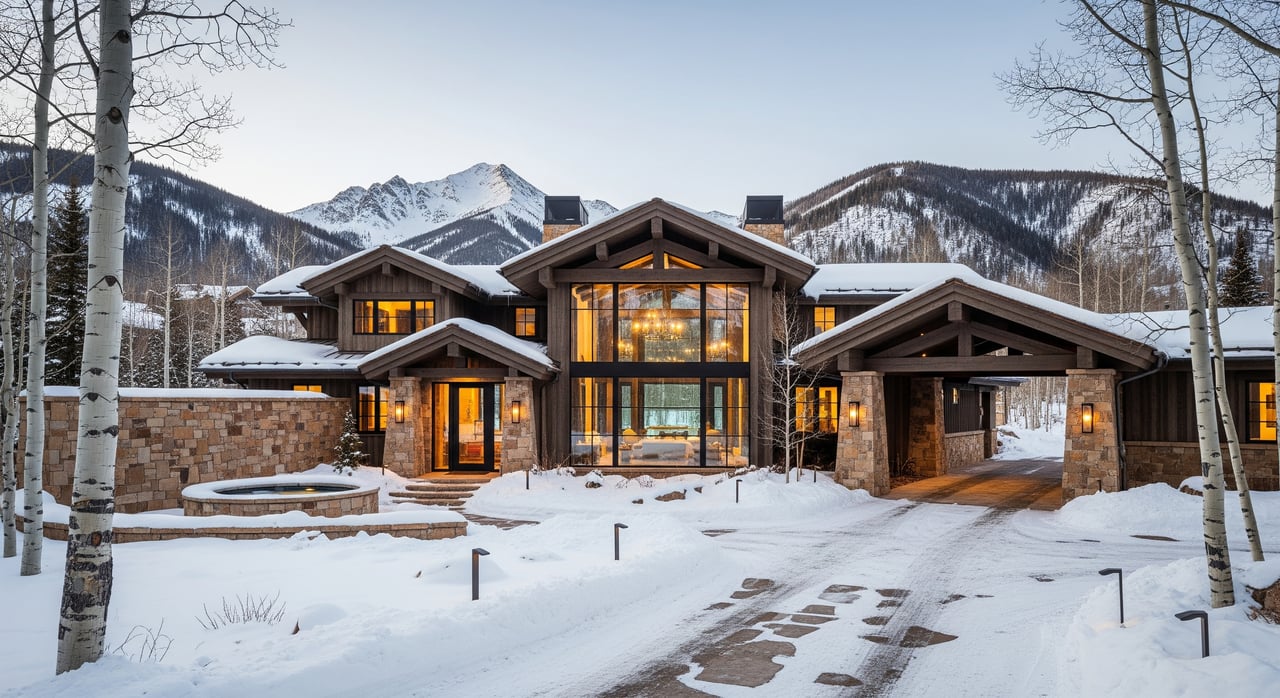
Jumbo Financing For Aspen Luxury Buyers
January 1, 2026
January 1, 2026
Buying in Aspen’s Core often means shopping well above average price points. If you plan to finance, you will likely encounter jumbo lending and the extra steps that come with it. You want clarity, speed, and a structure that fits your balance sheet. This guide walks you through jumbo basics, lender options, underwriting, documentation, timelines, and Aspen-specific valuation factors so you can move with confidence. Let’s dive in.
A jumbo mortgage is any loan amount above the conforming limit set by the Federal Housing Finance Agency. These limits adjust yearly and can be higher in designated high-cost areas. You can review the current thresholds on the FHFA’s conforming loan limits page.
In Aspen’s Core, many properties exceed those limits, so most financed purchases fall into jumbo or bespoke portfolio lending. Because these loans are not sold to Fannie Mae or Freddie Mac, lenders set their own pricing and documentation standards. That makes lender selection and early planning especially important.
Retail banks and mortgage banks offer fixed and adjustable jumbo products with full documentation. Expect higher credit score targets, larger down payments, and detailed income and asset verification. The upside is competitive pricing when lender appetite is strong.
Private banks keep loans on their balance sheets, which allows more flexibility. You may see asset-based underwriting, interest-only structures, and customized reserve calculations. These lenders often accommodate trusts or LLCs and nonstandard income, though pricing and speed vary by institution.
If you are self-employed or your tax returns understate your cash flow, non-QM lenders can evaluate deposits or alternative income measures. This can be a fit for complex income, rental activity, or business owners. Terms and documentation differ, so align the product with your goals and closing timeline.
Bridge financing can help you purchase before selling another asset. Construction or renovation loans apply if you plan major upgrades. Availability depends on lender risk tolerance, so raise these needs early in the conversation.
Lower loan-to-value ratios typically unlock better rates and more options. Many jumbo programs expect 20 percent or more down. For second homes, investment properties, or non-warrantable condos, down payment expectations often rise to 25 to 40 percent or higher.
As loan amounts increase, some lenders add pricing tiers and higher reserve requirements. Be ready to show meaningful reserves, often measured in months of total mortgage payments. For high-value loans, reserves can range from several months to 12 or more months.
Strong credit scores and clean credit histories help with eligibility and pricing. Many investors apply conventional debt-to-income caps, while private banks may weigh assets and net worth more heavily. If you plan to include rental income, expect careful documentation and conservative treatment, especially for short-term rentals.
How you will use the property matters. Primary residence, second home, or investment property each carry different LTV, reserve, and pricing standards. If short-term rental use is part of your plan, confirm local rules and lender policy up front, since regulations in Pitkin County and the City of Aspen can affect underwriting. You can review current local requirements through Pitkin County’s official site.
Unique finishes, view premiums, and historic elements can make valuation more complex. Limited comparable sales, off-market trades, and seasonal turnover also affect the appraisal. Lenders may tighten terms or take longer to vet properties with unusual features.
Beyond standard income verification, some lenders let your assets drive the approval. Common approaches include asset depletion, where assets are amortized over time to create qualifying income, or underwriting based on investment account values. Private banks can also evaluate your overall relationship and liquidity.
You will document liquid assets for the down payment, closing costs, and reserves. Plan to share recent bank statements, brokerage statements, and retirement account summaries. For asset depletion, lenders often require proof of ownership over time and may discount volatile holdings.
Purchasing via a revocable trust or an LLC is common in luxury markets. Some lenders will finance into certain trusts or request a personal guarantee if using an entity. Private banks are more flexible with entities, so confirm policy early if you plan to hold title this way.
Getting organized early speeds up underwriting. If you want a primer on loan types and shopping tactics, the Consumer Financial Protection Bureau offers a helpful overview of mortgage options and how to compare them.
Because rates can shift quickly, it helps to watch trends through neutral sources like the Freddie Mac Primary Mortgage Market Survey and lock at the right time.
Valuations in Aspen Core can be challenging. A limited set of comparable sales, off-market trades, and significant premiums for views or location make careful analysis essential. The Appraisal Institute’s guidance reflects the diligence required for unique and high-value properties.
Condo and HOA factors also matter. Non-warrantable projects, large commercial mixes, litigation, or special assessments can narrow lender options and raise down payment needs. Share HOA documents early so your lender can review financials and policies.
Local regulations can affect underwriting when projected rental income is part of the plan. Review short-term rental requirements and permits through Pitkin County’s official site. Deed-restricted properties carry separate rules that impact value and loan structure.
Insurance is another focus. Mountain properties can face wildfire risks that influence coverage and lender conditions. If the property is in a mapped flood zone, lenders require flood insurance, and you can check risk designations using FEMA’s National Flood Hazard Layer.
If you want to understand state oversight for industry participants and rules, the Colorado Department of Regulatory Agencies provides resources at DORA’s official site.
For primary residences, 20 percent down is common for many jumbo offers when other factors are strong. For second homes, investment properties, non-warrantable condos, or entity purchases, plan for 25 to 40 percent or more depending on the lender and property profile. Larger loans sometimes require higher cash to close and additional reserves.
Jumbo pricing changes with market liquidity. Rates may run slightly above or below conforming levels depending on conditions. Relationship-based portfolio lenders can sometimes offer steadier quotes in volatile periods.
You deserve a financing plan that matches your goals and a property strategy that reflects Aspen’s unique market. If you want discreet, end-to-end guidance on property selection, HOA diligence, and transaction timing while your lender handles the loan, our team is here to help. Connect with The Shea Team to align your search and financing path, then move decisively when the right home appears.
Stay up to date on the latest real estate trends.





We are committed to guiding you every step of the way—whether you're buying a home, selling a property, or securing a mortgage. Whatever your needs, we've got you covered.

415 EAST HYMAN AVE ASPEN, CO 81611