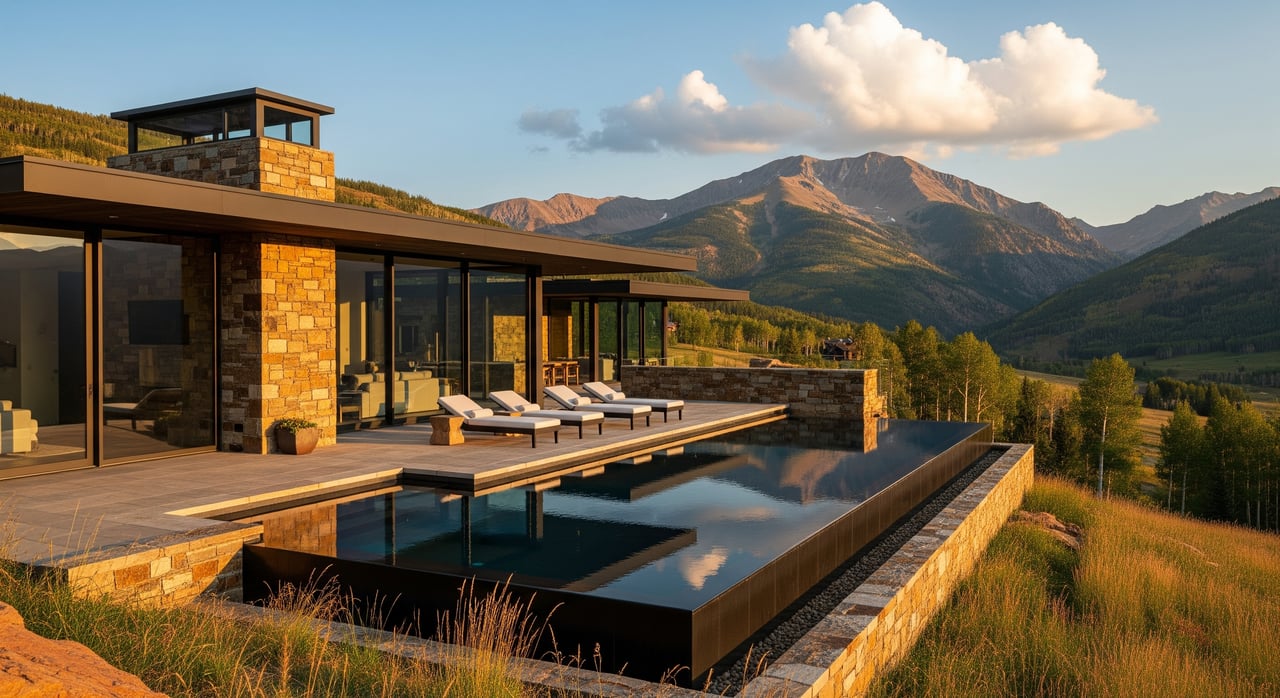
Understanding View Premiums On Red Mountain
December 18, 2025
December 18, 2025
Looking at two beautiful homes on Red Mountain and wondering why one asks more? In this market, the answer often lives in the sightlines. Views are a non-replicable amenity here, and they shape price, time on market, and negotiation power. In this guide, you’ll learn what creates a premium view, how Maroon Bells, Ajax, and Highlands sightlines stack up, and what to do as a buyer or seller to protect and maximize value. Let’s dive in.
Red Mountain sits at the heart of the Aspen luxury market, where many buyers are seeking trophy properties and second homes. In this environment, a view functions like capital—it is scarce, emotional, and central to the lifestyle you are buying. The right sightline can elevate marketability, reduce days on market, and justify a meaningful premium at closing.
Rarity and permanence are what move the needle. If a view is hard to find and unlikely to be blocked, it tends to command the strongest response from buyers. Beauty matters, but durability of the view matters more.
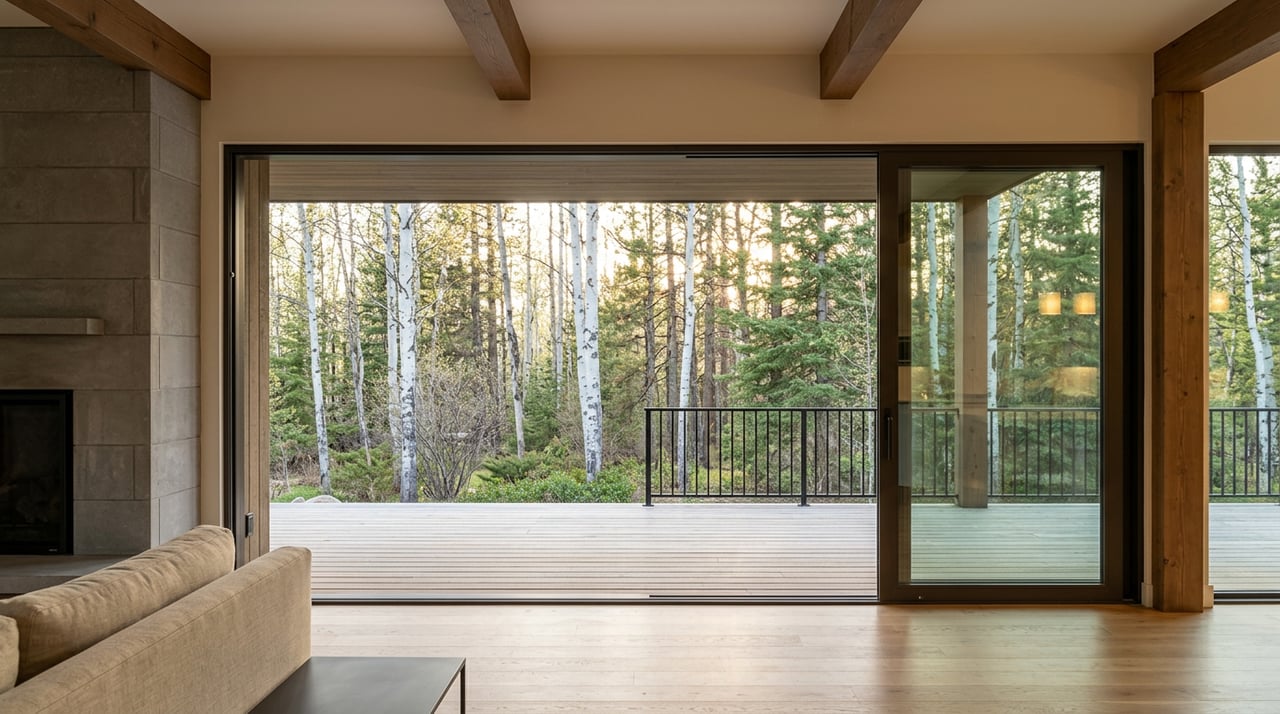
Direct, unobstructed sightlines from your main living spaces carry the highest premium. A sweeping view experienced from the great room, the primary suite, and main terraces is worth more than a single picture window. If trees or structures filter the scene, the premium usually softens.
If you are selling, document your exact view corridors with photos and site plans that show angle and elevation. If you are buying, verify those sightlines in person from each key room.
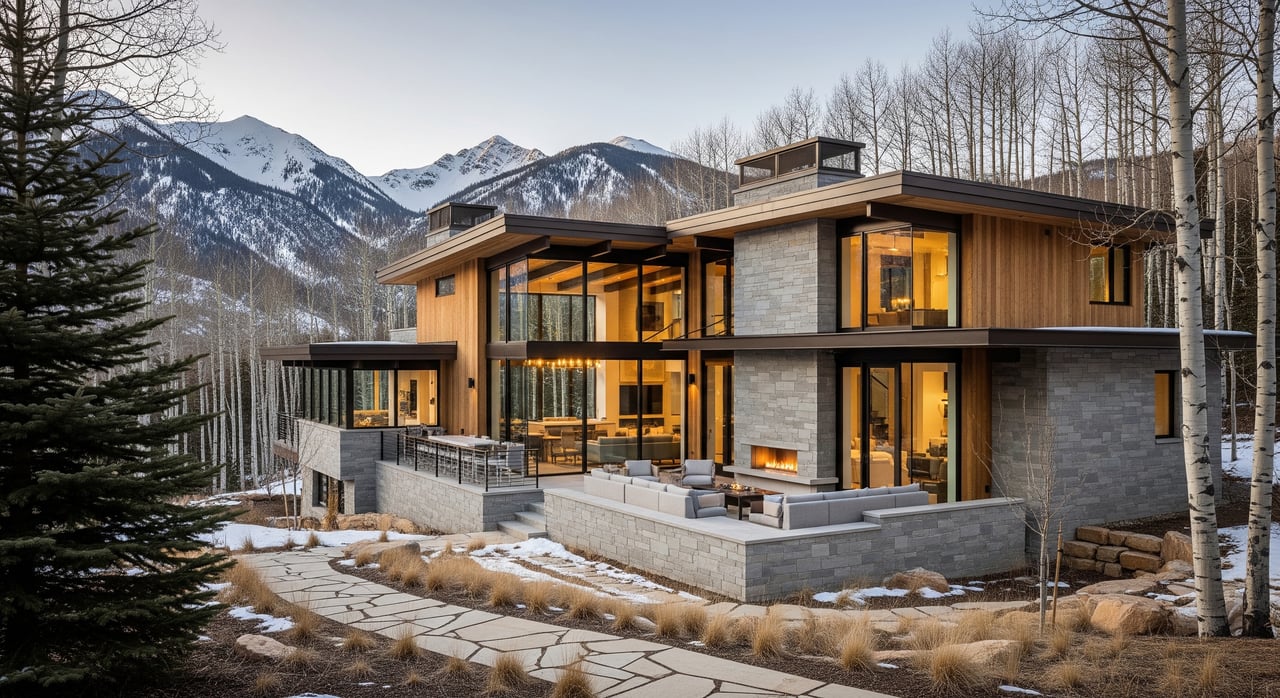
A broad, layered panorama reads as more valuable than a single distant peak. Foreground interest, a dynamic middleground, and dramatic mountain ridgelines in the background create depth and a sense of place. When that panorama is visible from multiple rooms and outdoor spaces, the perceived value goes up.
Certain subjects have outsized emotional pull in Aspen:
Combination views that pair an iconic backdrop with proximity cues, like Ajax plus town lights, are especially compelling.
Closer, larger-feeling features tend to command more attention and value than distant silhouettes. Elevated sites that look across to ski bowls or down over the valley often feel more dramatic than valley-floor parcels with filtered vistas.
How you experience the view throughout the day matters. West and southwest exposures that catch sunset light are highly desirable. Southern exposure adds year-round light and solar gain, which can make outdoor spaces more usable and interiors feel brighter.
The premium strengthens when a view is unlikely to be blocked. Public land buffers, conservation easements, steep topography, or limited buildable area nearby all support durability. Buyers typically discount views that could be affected by planned development or unmanaged tree growth.
Quiet, open vistas that also preserve privacy can enhance value. If the view brings exposure to road noise, heavy public activity, or event sound, the premium can diminish.
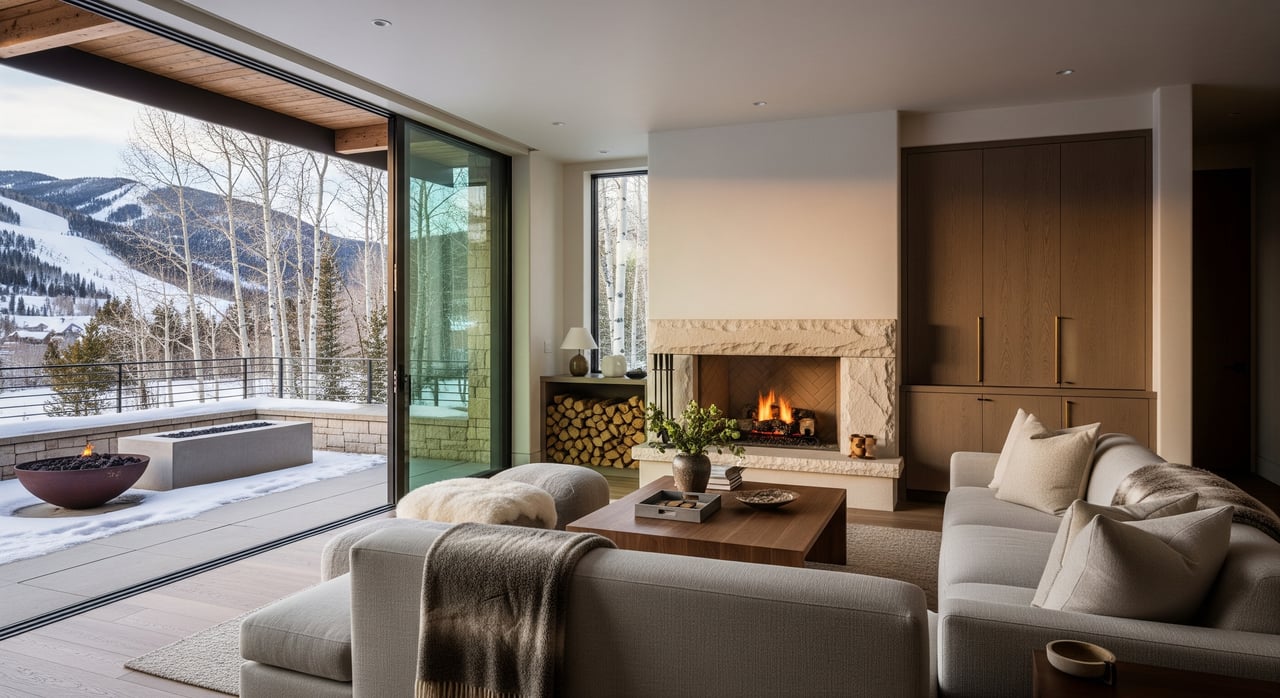
In mountain markets, views can shift with the seasons. Leaf-off months may reveal ridgelines that disappear in summer. Properties that deliver winter peak views from principal rooms often hold extra appeal for ski-focused buyers.
You pay not just to see the view, but to live with it. Multiple rooms and generous terraces oriented to the sightline are more valuable than a single vantage point. Well-designed outdoor living areas that feel like extensions of the great room amplify perceived value.
These are among the most recognizable alpine images in Colorado. On Red Mountain, visibility depends on your specific ridge position and sightline. When the Bells are unobstructed and visible from primary living spaces, many trophy buyers consider them a top-tier view. The rarer and more protected the corridor, the stronger the premium.
Ajax views emphasize the ski-slope form and visual connection to downtown Aspen. They can include village lights at night and year-round interest. If your lifestyle centers on town access and the daily energy of Aspen, Ajax views often rank near the top of the preference list and can carry a substantial price effect.
Highlands vistas showcase alpine ridgelines and notable terrain features like Highland Bowl. They often feel more sweeping or mid-distance than Ajax. For buyers seeking a dramatic mountain presence without the town foreground, Highlands views can command premiums similar to Ajax when they are unobstructed and well-framed.
Some properties capture more than one tier—Maroon Bells in the distance with Ajax or the valley in the foreground. These combinations can be particularly valuable because they blend iconic imagery with a sense of proximity and activity.
There is no universal percentage you can apply to quantify a view premium here. In a high-end, low-inventory market, pricing depends on recent local comparables and how buyers are behaving right now. The best approach combines several methods:
Avoid generic rules of thumb. The same view can yield different outcomes depending on inventory, season, and which buyers are active.
Lead with visuals that explain the sightline, not just show it. Be explicit about which rooms capture the view and when. In negotiations, reference recent comps with similar iconic or unobstructed views and include your documentation of permanence and rarity.
Before you commit capital, understand the rules that shape future sightlines. Check planning and zoning for height limits, tree management, and wildfire mitigation requirements. Public land ownership can reduce risk of future blockage, while adjacent private buildable lots may introduce uncertainty. Recorded view or conservation easements can protect the corridor, but they should be verified through title and survey.
Not every buyer needs a full panorama. A framed view of an iconic peak or a slice of town-and-ski action can still carry meaningful value, especially when it is enjoyed from the right rooms. The key is clarity on how much of the view you truly live with every day and how durable that corridor is over time.
If you are weighing a purchase, quantify how the view aligns with your lifestyle and where it shows up in the house. If you are preparing to sell, package your view story with visuals, documentation, and staging that bring the experience to life. When you want a property-specific read on value and risk, you need a local, narrative-driven analysis backed by current comps.
Ready to talk about your Red Mountain sightline and its impact on price? Connect with The Shea Team for a discreet, expert assessment and a plan to protect and maximize your view.
Stay up to date on the latest real estate trends.
We are committed to guiding you every step of the way—whether you're buying a home, selling a property, or securing a mortgage. Whatever your needs, we've got you covered.

415 EAST HYMAN AVE ASPEN, CO 81611