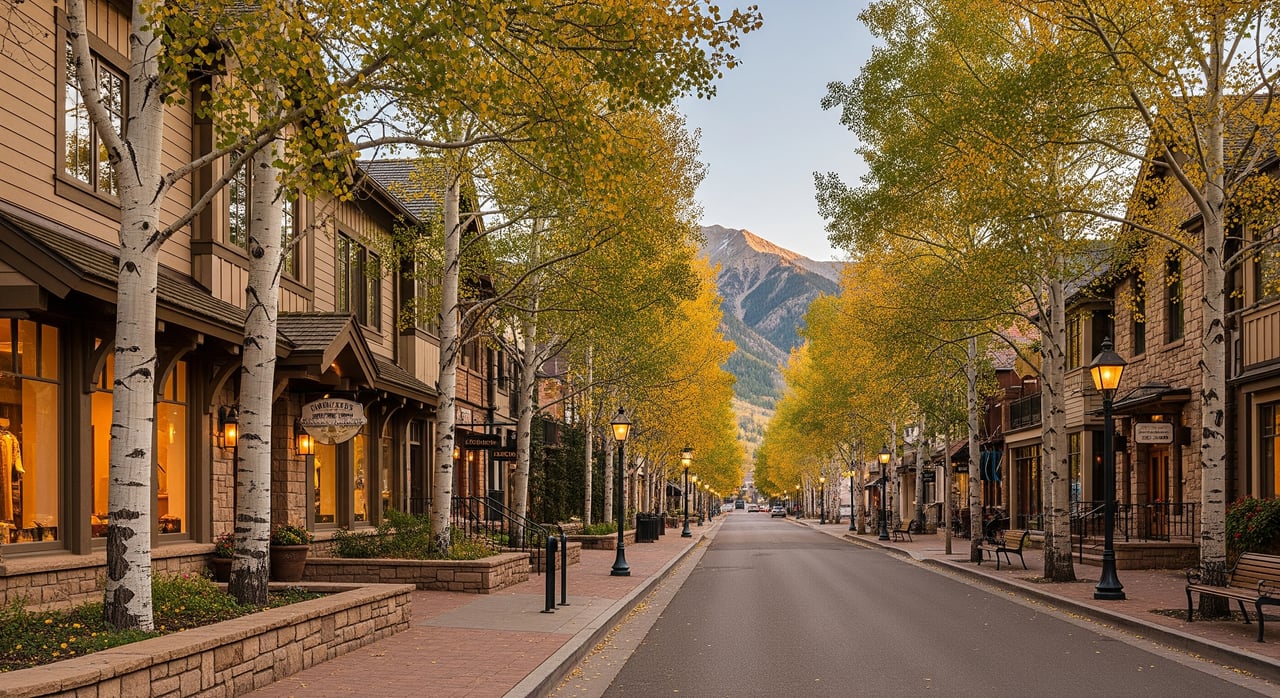
Central Core vs West End: Walkable Living Compared
December 4, 2025
December 4, 2025
Do you picture yourself stepping out the door and walking to coffee, galleries, and the gondola? In Aspen, two neighborhoods deliver that lifestyle in different ways: the Central Core and the West End. Each offers walkable access with its own pace, architecture, and practical tradeoffs. In this guide, you’ll compare the feel on the ground, what to expect with parking and rules, and how to test walk times for a specific address. Let’s dive in.
Downtown puts daily needs at your doorstep. Sidewalks, pedestrian-friendly plazas, and a tight street grid make quick trips simple. You’ll feel the energy of festivals and nightlife, which is ideal if you want action close by. Some condos have limited private parking, so plan for municipal lots, meters, or building-specific arrangements.
From the eastern edge of the West End, you can reach downtown in a few minutes on foot. Inside the neighborhood, streets are quieter and lined with historic homes and low-rise buildings. Errands can take a bit longer than living in the Core, depending on the block. Watch for residential permit rules that shape on-street parking convenience.
Walkability varies dramatically within a few blocks in Aspen. Use this quick method:
The Core blends historic storefronts, adaptive reuse, and newer mixed-use projects. You will see more vertical, multi-story buildings and lively plazas. Zoning supports higher density and mixed uses, with design review that respects historic fabric.
The West End is a historic neighborhood with Victorian-era cottages, early 20th-century homes, and low-rise multifamily buildings. Lots are smaller, setbacks are residential, and gardens and porches are common. Many properties are subject to historic review, which protects neighborhood character and can add steps to significant renovations.
If you plan to remodel, ask early about design review, historic designation, and allowable changes. In the Core, higher-density buildings often mean more condo options and shared services. In the West End, single-family homes and low-rise properties provide a residential scale, with preservation rules that guide long-term planning and value expectations.
The Central Core surrounds you with galleries, the Aspen Art Museum area, dining, and frequent festivals and concerts. The West End keeps you close to the same venues with a short walk but retains a residential calm between events. Both neighborhoods let you enjoy Aspen’s cultural calendar without relying on a car.
If late dinners and lively evenings are part of your routine, the Core offers the most immediate access. You can always stroll back to a West End home, but nights tend to be quieter on its interior blocks. Think about how much you value a calm street at night versus stepping out into the action.
Both areas have convenient parks and trail connections, including the Rio Grande corridor. Downtown places you among the closest residential options to Aspen Mountain’s base and the gondola. The West End remains walkable to the gondola, with distance and walk time varying by address.
Aspen’s winter and summer peaks bring more pedestrian activity, especially downtown. The Core experiences the biggest swings, while the West End feels a softer version of the same rhythm. Ask about event schedules and recent noise patterns to set expectations.
The Core skews toward condos and mixed-use units that put you in the center of cultural and dining life. The West End offers historic single-family homes, cottages, and low-rise condos with a neighborhood feel. Choose based on the balance you want between convenience, privacy, and architectural character.
Short-term rental rules in Aspen and Pitkin County are active and can be strict. Licensing, occupancy, taxes, and possible caps may apply and can affect income potential. Aspen and Pitkin County also operate deed-restricted housing programs to support the local workforce. Always verify current STR rules, permitting requirements, and any deed restrictions before you buy.
Property tax bills are based on assessed values and local mill rates. In the mountains, insurance can reflect snow loads and older construction considerations, especially in historic homes. Condos downtown often carry higher HOA fees that cover shared services, while single-family homes in the West End typically have different maintenance profiles.
Aspen benefits from city and county law enforcement and generally low violent crime rates. Tourist areas can experience property crime, so practice common-sense measures. Review local police reports and building security features to align with your comfort level.
You grab coffee, walk a block to a gallery opening, then pop into a market for groceries. Midday, you stroll to a meeting near Galena Plaza. After skiing, you meet friends for dinner a short walk from home and stay out for a late show.
You return to a quiet, tree-canopied street after the same cultural day. A pocket park is nearby for a quick walk, and you can still head into downtown by foot for dessert. Back home, the residential setting winds down earlier.
Every Aspen block lives a little differently, and small details make a big difference. If you want a precise read on walk times, parking, STR rules, and historic considerations for a specific address, we can help you compare options side by side. Connect with The Shea Team for a tailored walkthrough of the Central Core and West End, plus expert guidance on how each property fits your lifestyle and goals.
Stay up to date on the latest real estate trends.
We are committed to guiding you every step of the way—whether you're buying a home, selling a property, or securing a mortgage. Whatever your needs, we've got you covered.

415 EAST HYMAN AVE ASPEN, CO 81611