How Ski Season Shapes Snowmass Village Real Estate Choices
November 21, 2025
November 21, 2025
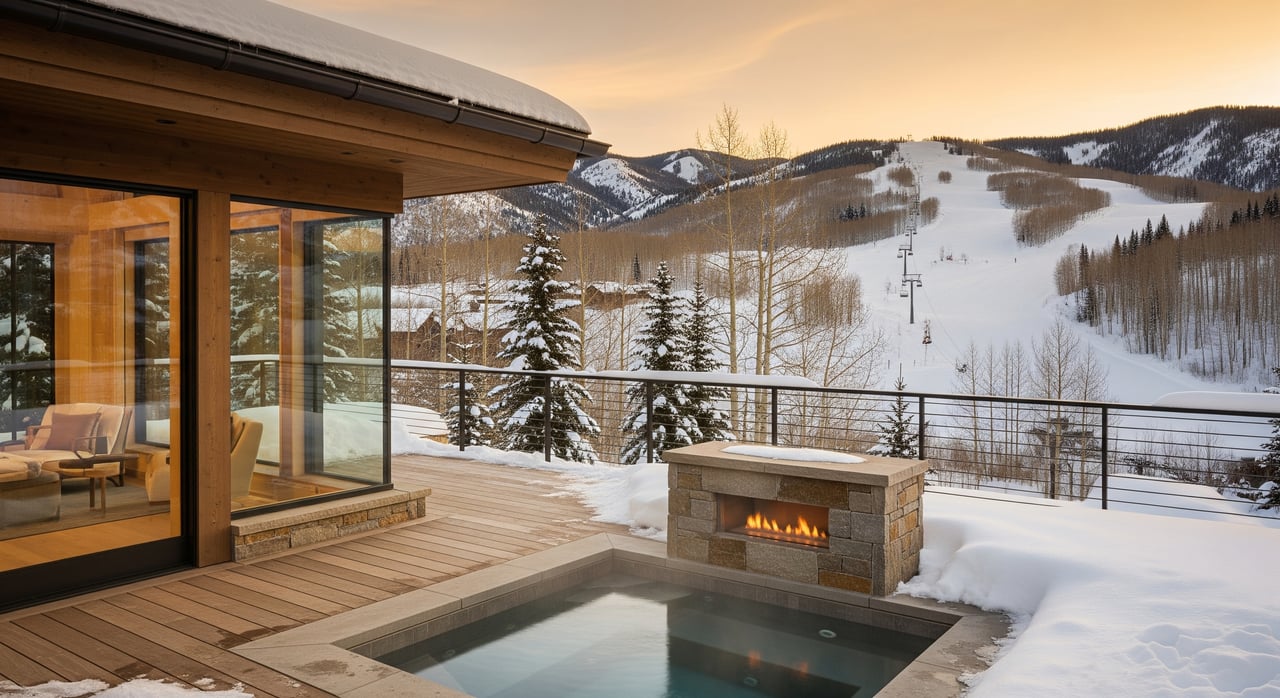
Picture fresh corduroy at first light and a short glide to the lift from your front door. If you are aiming for that Snowmass Village lifestyle, the ski season can shape everything from price to rental returns. Understanding how winter demand moves the market helps you choose the right property, time your offer, and set realistic income expectations. This guide breaks it down so you can buy with confidence. Let’s dive in.
Winter is the signature season in Snowmass Village. Visitation spikes during key weeks like late December holidays, late January through mid‑February holiday periods, and spring break. These weeks drive the strongest buyer interest and the highest nightly rates for rentals.
You feel this in pricing and pace. Sellers often list to capture winter traffic, and popular units can attract multiple offers. Shoulder seasons in late spring and late fall usually bring less competition and more time to consider options. For current calendars and events that influence travel patterns, explore the resort’s updates on Aspen Snowmass.
Appraisals and comps can be noisy in a small market. High‑season sales sometimes set price anchors that influence expectations beyond winter. Look at sales across seasons to understand the full picture.
Inventory tends to tighten as ski season approaches. If you want selection and negotiation room, shop in the shoulder seasons. You may see longer days on market and more flexibility on terms.
During peak weeks, sellers may have leverage. Expect faster timelines, fewer concessions, and stronger offers winning. Off‑peak, you can often negotiate credits, furniture, or longer closings that help you prepare a property for rental.
Ski‑in/ski‑out convenience is a leading price driver in winter. Units with direct or near‑direct access to lifts often outperform on occupancy and nightly rates during peak weeks. High‑function floor plans with multiple bedrooms and flexible sleeping options attract weeklong family stays.
Views and base‑area proximity add value, as do practical features like heated garages, ski lockers, and gear storage. In a rental context, these details often translate into better reviews and repeat bookings.
Winter weeks contribute a large share of annual revenue. Properties that capture core holiday periods and school breaks typically show stronger annualized yields than those relying on summer alone. The right mix of features, finishes, and professional management can boost both Average Daily Rate and occupancy.
Attributes that help your numbers:
Model both winter and non‑winter scenarios to avoid surprises. For performance trends and benchmarking, industry platforms like AirDNA provide resort‑level occupancy and rate data.
Snowmass Village and Pitkin County apply lodging and sales taxes to paid stays, and they may require STR licensing or registration. Rules evolve over time. Before you assume rental rights or income, confirm current requirements with the Town of Snowmass Village and Pitkin County.
Second‑home mortgages commonly require about 10 to 20 percent down, while investment loans often require more and may treat projected rental income differently. Underwriting rules vary by lender and property type. For state‑level guidance and consumer resources, visit the Colorado Division of Real Estate.
Recurring costs tend to be higher in resort condos and townhomes. HOA dues often cover amenities, building services, and snow removal. Winter heating, extra wear during peak periods, and professional management fees should be in your budget from day one.
Insurance deserves special attention. Mountain ownership brings wildfire risk, frozen pipes, and roof load considerations. Ensure you have appropriate coverage for short‑term rental use if you plan to host. Clarify title and survey items like easements, winter access rights, and parking in communities that mix public and private roads.
Town and county policies on housing and STRs influence private‑market inventory and operating rules. Infrastructure and experience investments also matter. The broader Aspen Snowmass destination markets itself year‑round, with winter as the headline and summer biking, hiking, and cultural events filling the calendar. For events and seasonal context, check updates from Aspen Snowmass.
Snowmass Village is a small market. A few notable listings can shift price perception in a given season. Use multi‑season data and look beyond a single comparable to set expectations.
Ready to calibrate your search to the season and your goals? For bespoke guidance, curated showings, and pragmatic rental insight, connect with The Shea Team in Snowmass Village and across the Roaring Fork Valley.
Stay up to date on the latest real estate trends.
We are committed to guiding you every step of the way—whether you're buying a home, selling a property, or securing a mortgage. Whatever your needs, we've got you covered.

415 EAST HYMAN AVE ASPEN, CO 81611